


ADHD Resources for helping your child.
Helpful Tips and Tricks:
1. Give praise when rules are followed. Children with ADHD often receive and expect criticism more so than other children. This can really impact self-esteem. Some days, you might have to really look for the good behavior, but you should praise good behavior at least five times more often than you criticize bad behavior.
2. Give clear and effective directions or expectations. Make eye contact or gently touch an arm or shoulder to get their attention. Give brief, simple steps, and short commands that get to the point rather than multiple directions. Before you go somewhere, talk with your child to explain how you want them to behave. Focus more energy on teaching your child what to do, rather than reacting to what not to do.
3. Develop a routine. Work together to make a checklist of what needs to be done for your child to refer to when they get off task.
4. Work with your child's school. Talk with your child's teacher to find out if your child should have an IEP or 504 Plan. Meet often with teachers to find out how your child is doing. Work with the teacher to help your child do well.
5. Your relationship with your child matters most. Kids with ADHD often feel they're letting others down, doing things wrong, or not being "good." Protect your child's self-esteem by being patient, understanding, and accepting. Let your child know you believe in them and see all the good things about them. Build resilience by keeping your relationship with your child positive and loving.
Community Resources
The Family Place: The Family Place - The Family Place Utah
Phone: 435-752-8880
1525 N 200 W Logan, UT 84341
Anson Family Counseling: Compassionate Therapy in Syracuse | Anson Family Counseling
Phone: 801-896-0793 (call), 801-405-9183 (text)
75 West 100 South Suite 270 Logan, UT 84321
Bear River Behavioral Health: Bear River Behavioral Health | Utah
Phone: 435-752-0750
90 E 200 N, Logan, UT 84321
For more therapy options: Therapy 2026.docx
Psychology Today also offers a list of therapists where you can filter insurance, ages seen, specialization, location, etc.
Websites
-
Impact Parents - Helping Parents Help Kids
Take back your family. Training, coaching & support for parents raising complex kids, teens and young adults.
-

Child Mind Institute
Our ADHD resources provide expert-backed information and practical advice to help you understand and support children with ADHD. From symptoms and diagnosis to treatment and coping strategies, find reliable resources to navigate this challenge.
-

CHADD
Explore topics including ADHD education, an ADHD Toolkit, ADHD and childcare, evaluating childhood ADHD, etc.
-

HelpGuide.org
Do you think your child might have attention deficit hyperactivity disorder (ADHD)? Here’s how to recognize the signs and symptoms of ADHD in kids - and get the help you need.
Books
-
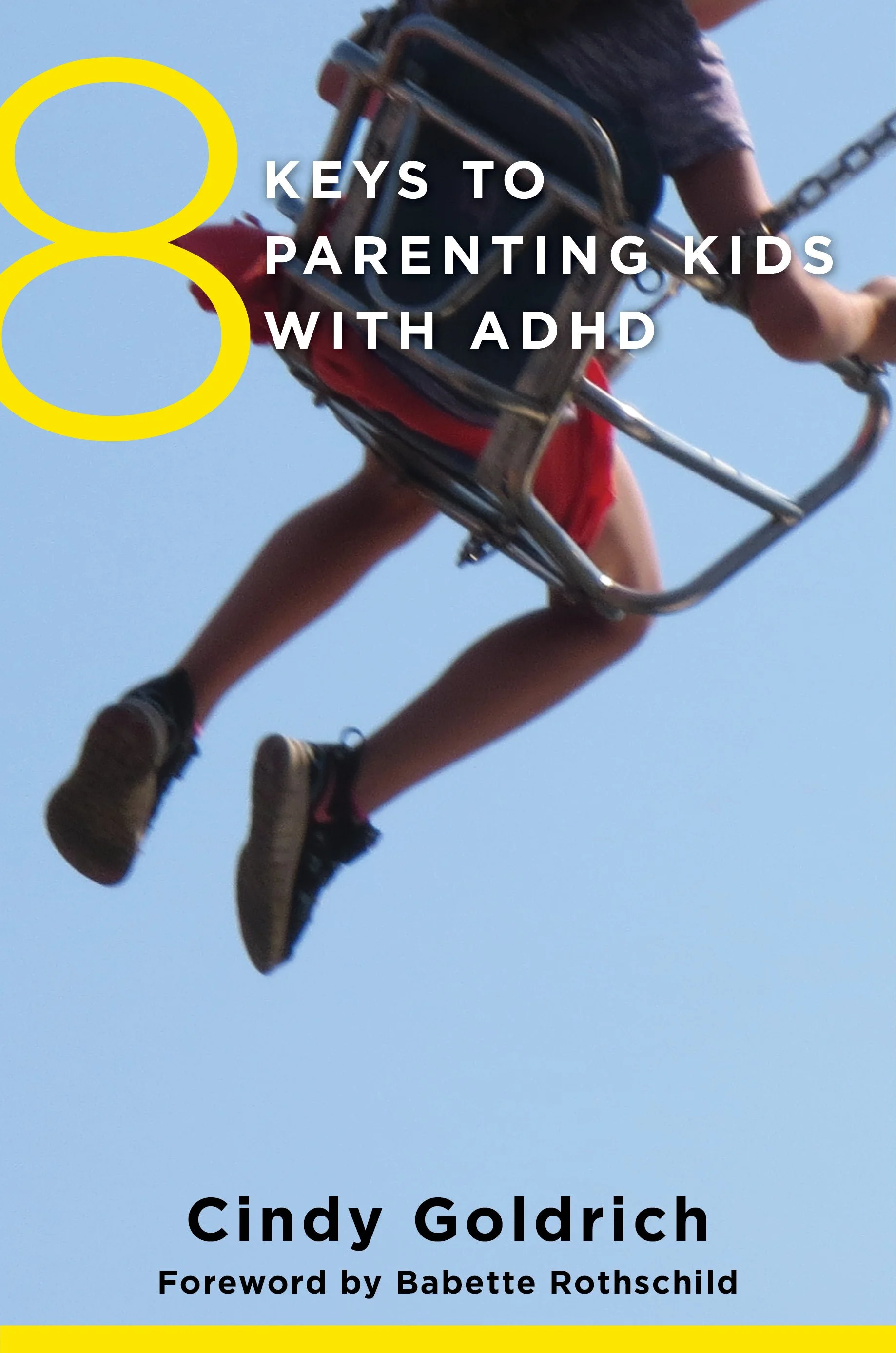
8 Keys to Parenting Children with ADHD by Cindy Goldrich
Parenting children with ADHD, whether diagnosed or undiagnosed, can be challenging and complex. But just as a child who struggles with reading can learn to decode words, children with ADHD can learn patience, communication, and solution-seeking skills to become more confident, independent, and capable. This book, rich with optimism, tips, tools, and action plans, offers science-based insights and systems for parents to help cultivate these skills.
-
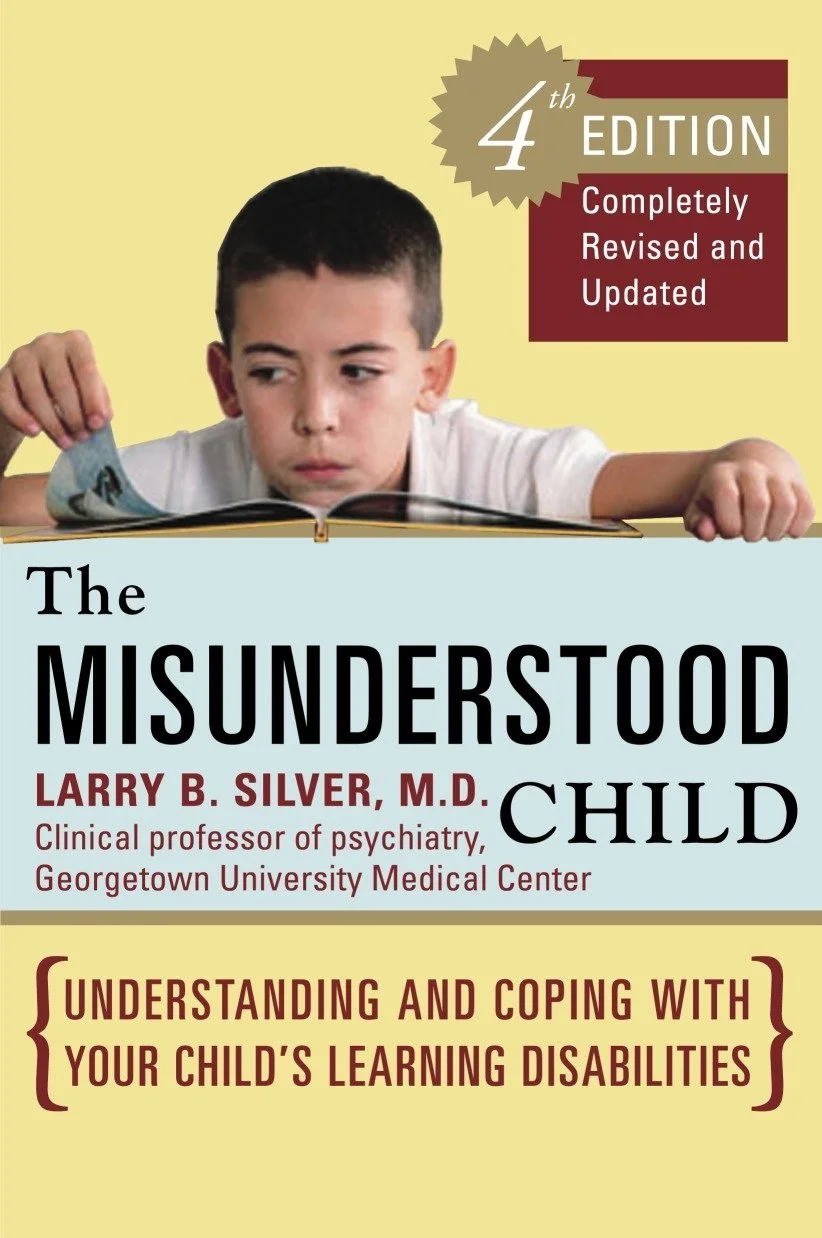
The Misunderstood Child by Larry B. Silver, M.D.
In print for more than twenty years, The Misunderstood Child has become the go-to reference guide for families of children with learning disorders. This newly revised edition provides the latest research and new and updated content, including:
• How to identify and address specific disabilities, from dyslexia to sensory integration disorder
• New information on the genetics of learning disorders
• Expanded sections on attention-deficit/hyperactivity disorder (ADHD)
• The most recent neurological discoveries about how the brain functions in children with learning disabilities
• Insights about other neurological disorders common among individuals with learning disabilities, such as anxiety disorders, obsessive-compulsive behaviors, anger-control problems, depression, and tic disorders
• Resources, Web sites, and organizations that can aid the treatment process and offer support for both parent and child -
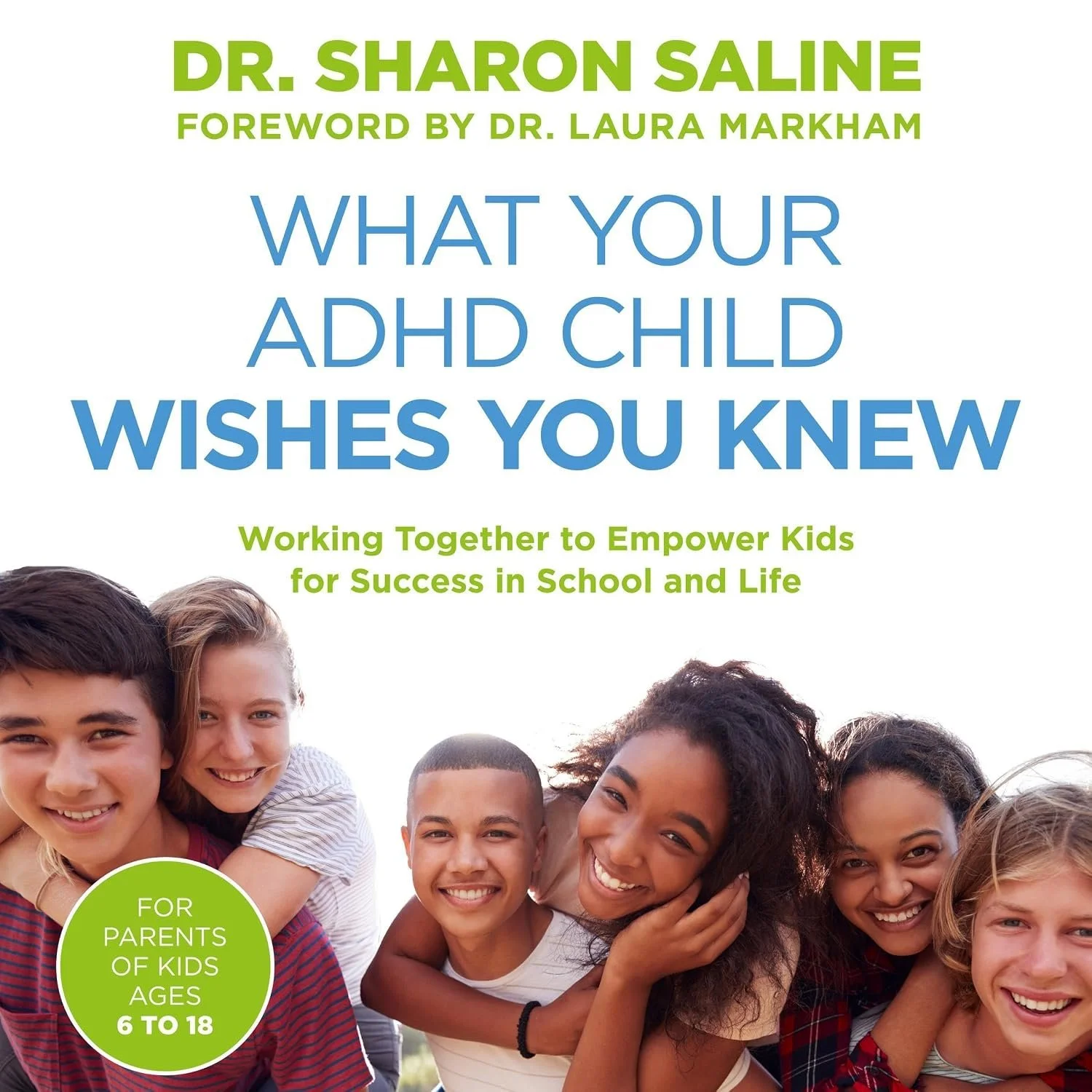
What Your ADHD Child Wishes You Knew by Dr. Sharon Saline
Parenting a child or teen with ADHD can feel exhausting. If you’re tired of repeating yourself, managing power struggles, and wondering how to parent your child with ADHD without constant conflict, you’re not alone.
In What Your ADHD Child Wishes You Knew, psychologist and ADHD expert Dr. Sharon Saline offers a compassionate, research-based guide to ADHD parenting that helps families reduce conflict, improve communication, and strengthen connection.
Drawing on more than 25 years of clinical experience, neuroscience, and real conversations with children and teens, this practical parenting book explains how ADHD affects your child’s everyday behavior, communication, and emotional regulation--and most importantly, what parents can do about it. -
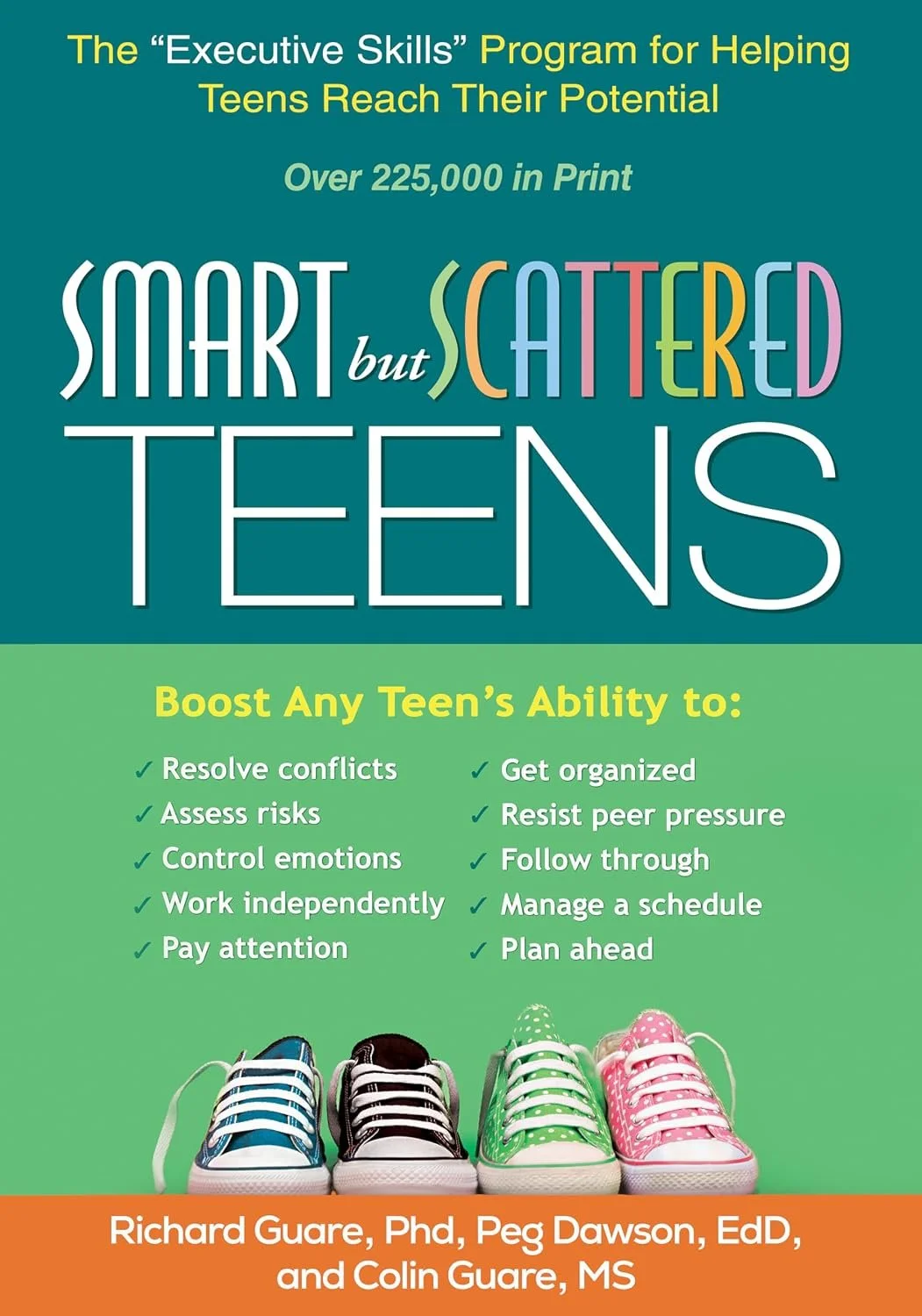
Smart but Scattered Teens by Richard Guare PhD, Peg Dawson EdD, and Colin Guare
. "I told you, I'll do it later."
"I forgot to turn in the stupid application."
"Could you drive me to school? I missed the bus again."
"I can't walk the dog--I have too much homework!"If you're the parent of a "smart but scattered" teen, trying to help him or her grow into a self-sufficient, responsible adult may feel like a never-ending battle. Now you have an alternative to micromanaging, cajoling, or ineffective punishments. This positive guide provides a science-based program for promoting teens' independence by building their executive skills--the fundamental brain-based abilities needed to get organized, stay focused, and control impulses and emotions. Executive skills experts Drs. Richard Guare and Peg Dawson are joined by Colin Guare, a young adult who has successfully faced these issues himself. Learn step-by-step strategies to help your teen live up to his or her potential now and in the future--while making your relationship stronger. Helpful worksheets and forms can be downloaded and printed in a convenient 8 1/2" x 11" size.
-
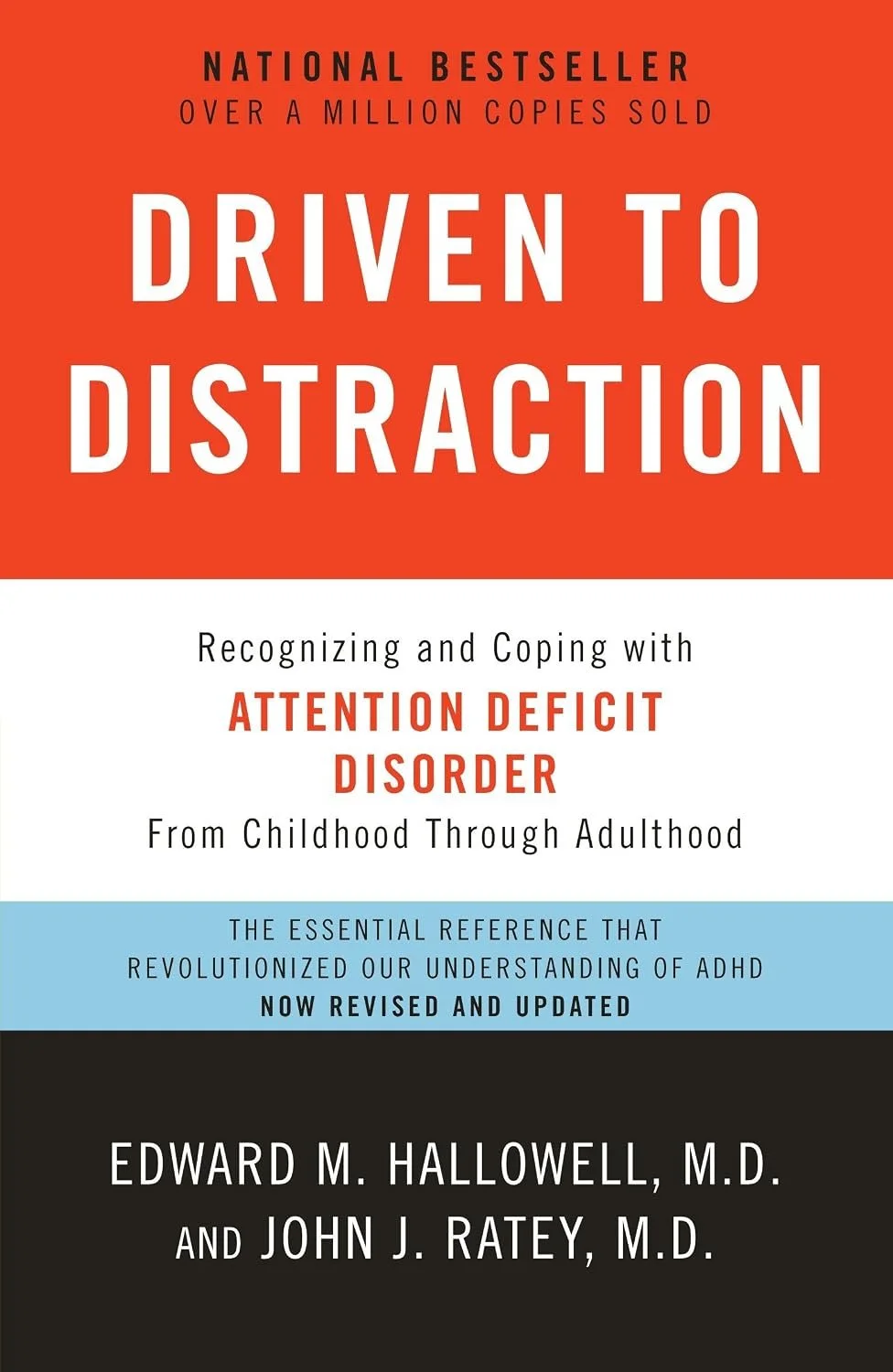
Driven to Distraction by Dr. Edward M. Hallowell
Groundbreaking and comprehensive, Driven to Distraction has been a lifeline to the approximately eighteen million Americans who are thought to have ADHD. Now the bestselling book is revised and updated with current medical information for a new generation searching for answers.
Through vivid stories and case histories of patients—both adults and children—Hallowell and Ratey explore the varied forms ADHD takes, from hyperactivity to daydreaming. They dispel common myths, offer helpful coping tools, and give a thorough accounting of all treatment options as well as tips for dealing with a diagnosed child, partner, or family member. But most importantly, they focus on the positives that can come with this “disorder”—including high energy, intuitiveness, creativity, and enthusiasm. -
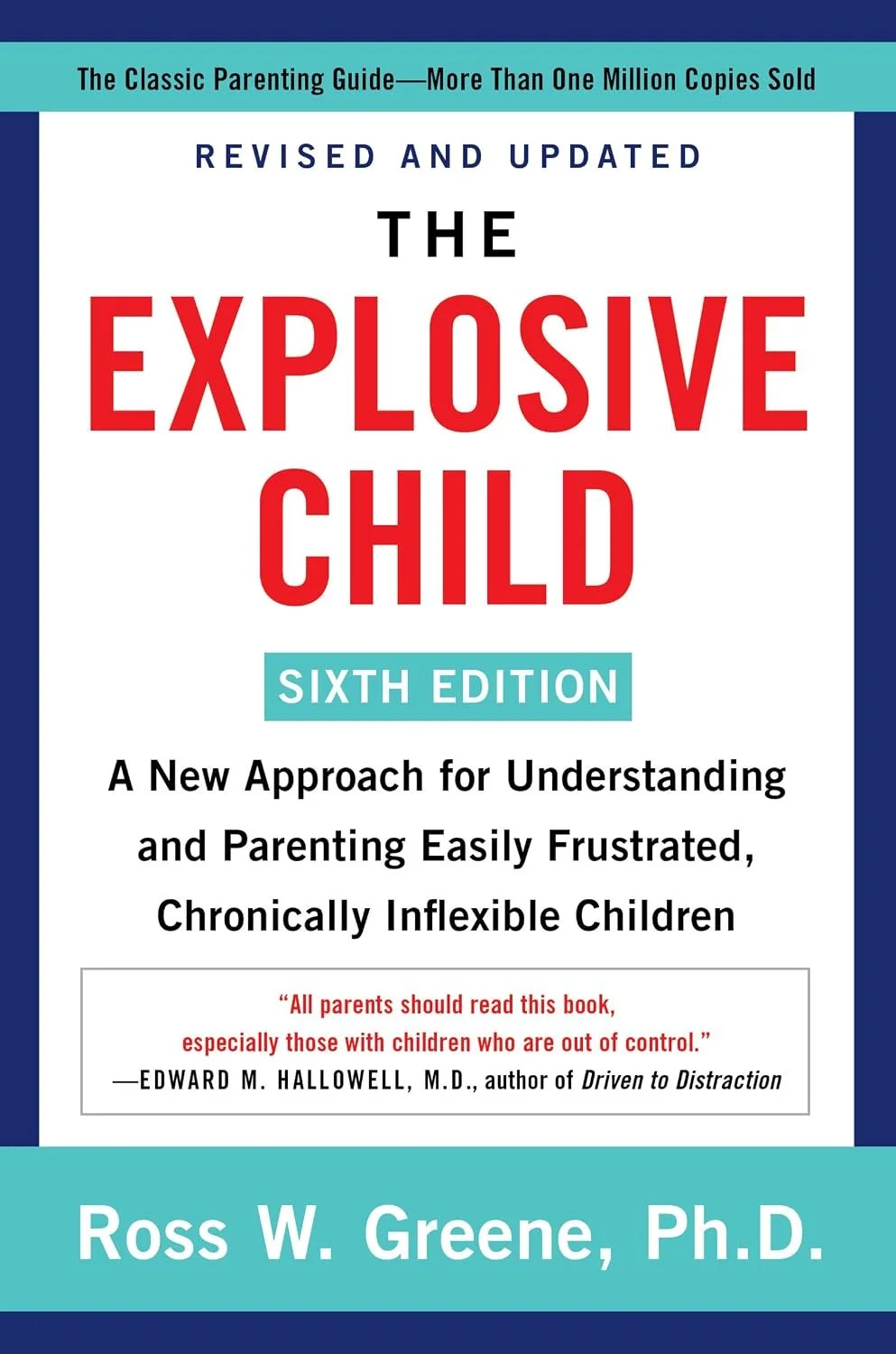
The Explosive Child by Dr. Ross Greene
A revised and updated 6th edition of the groundbreaking, research-based guide to understanding and parenting challenging children who frequently exhibit severe fits of temper, from a distinguished clinician and pioneer in the field.
What’s an explosive child? A child who responds to routine problems with extreme frustration—crying, screaming, swearing, kicking, hitting, biting, spitting, destroying property, and worse. A child whose frequent, severe outbursts leave his or her parents feeling frustrated, scared, worried, and desperate for help. Most of these parents have tried everything for effective child behavior management—reasoning, explaining, punishing, sticker charts, therapy, medication—but to no avail. They can’t figure out why their child acts the way he or she does; they wonder why the strategies that work for other kids don’t work for theirs; and they don’t know what to do instead.