

Our Selection
-

Bear Came Along
Once there was a river flowing through a forest. The river didn't know it was capable of adventures until a big bear came along. But adventures aren't any fun by yourself, and so enters Froggy, Turtles, Beaver, Racoons, and Duck.
These very different animals take off downstream, but they didn't know they needed one another until thankfully, the river came along.
This hilarious picture book and heartfelt message celebrates the joy and fun that's in store when you embark together on a ride of a lifetime.
-

Vaccines and Your Family
This book is a go-to guide for all families seeking trustworthy information about the science and safety of vaccines. Paul A. Offit and Charlotte A. Moser―scientists and parents with decades of experience―equip readers with the facts they need to navigate vaccine decisions for the whole family, from babies to elders. In straightforward prose, they offer accessible and authoritative answers to today’s most common vaccine-related questions.
Offit and Moser explain how vaccines work, how they are made, and how they are tested. Chapters examine vaccine safety, ingredients, the workings of the immune system, and practical considerations from the implications of different medical conditions to missed doses. The book covers vaccines that have been available for decades as well as newer vaccines for illnesses such as RSV, COVID-19, and mpox, including both traditional and mRNA vaccines. The second half of the book is a guide to individual vaccines organized by age groups, including the first and second year of life, ages three to six, older children and teenagers, and adults. A timely resource for all families, this book allays unfounded fears and provides a clear, easy-to-understand picture of vaccines and vaccination. -

Find Peace with Food
Are you tired of the constant battle between “good” foods and “bad” foods? Do you have endless health rules that you just keep breaking? When was that last time you ate without guilt? How long has it been since you said something nice about your body?
If you can relate to the frustrations of these questions, then it is time to end the food fight and heal your relationship with your body. In this book, registered dietitian Brooke Parker shares her techniques for engaging in a more intuitive eating pattern and developing a positive body image. Breaking free from the dieting mentality will create the space for you to determine a balanced path for your future. You will also have the chance to personalize your experience by utilizing the several worksheets found within.
-

Sleeping through the Night
Drawing on her ten years of experience in the assessment and treatment of common sleep problems in children, Dr. Jodi A. Mindell now provides tips and techniques, the answers to commonly asked questions, and case studies and quotes from parents who have successfully solved their children's sleep problems.
Unlike other books on the subject, Dr. Mindell also offers practical tips on bedtime, rather than middle-of-the-night-sleep training, and shows how all members of the family can cope with the stresses associated with teaching a child to sleep.
-

The Anxious Generation
In The Anxious Generation, social psychologist Jonathan Haidt (pronounced "height") lays out the facts about the epidemic of teen mental illness that hit many countries at the same time. He then investigates the nature of childhood, including why children need play and independent exploration to mature into competent, thriving adults.
Most important, Haidt issues a clear call to action. He diagnoses the “collective action problems” that trap us, and then proposes four simple rules that might set us free. He describes steps that parents, teachers, schools, tech companies, and governments can take to end the epidemic of mental illness and restore a more humane childhood. -

Baby Wise Sleep Solutions
Your precious newborn comes into the world like a bud on the verge of blooming, eager to grasp the rhythm of life. As the developing brain embarks on its journey outside the womb, it instinctively seeks to organize and make sense of this new world, yet it is unable to sculpt the cycles of feed-wake and sleep that it needs to thrive. This is where the parents step in, as caretakers and creators, much like the artisans molding clay, they begin to shape the child's world with gentle precision guided by Babywise Sleep Solutions. Serving as a reliable compass, this multigenerational resource teaches not only the HOW of crafting the necessary structure within a baby's day but wisdom of the Ezzos' Parent Directed Feeding strategy. Millions of families across the continents and 25 languages have come to understand that routine and predictability are two assets that help babies thrive.
-
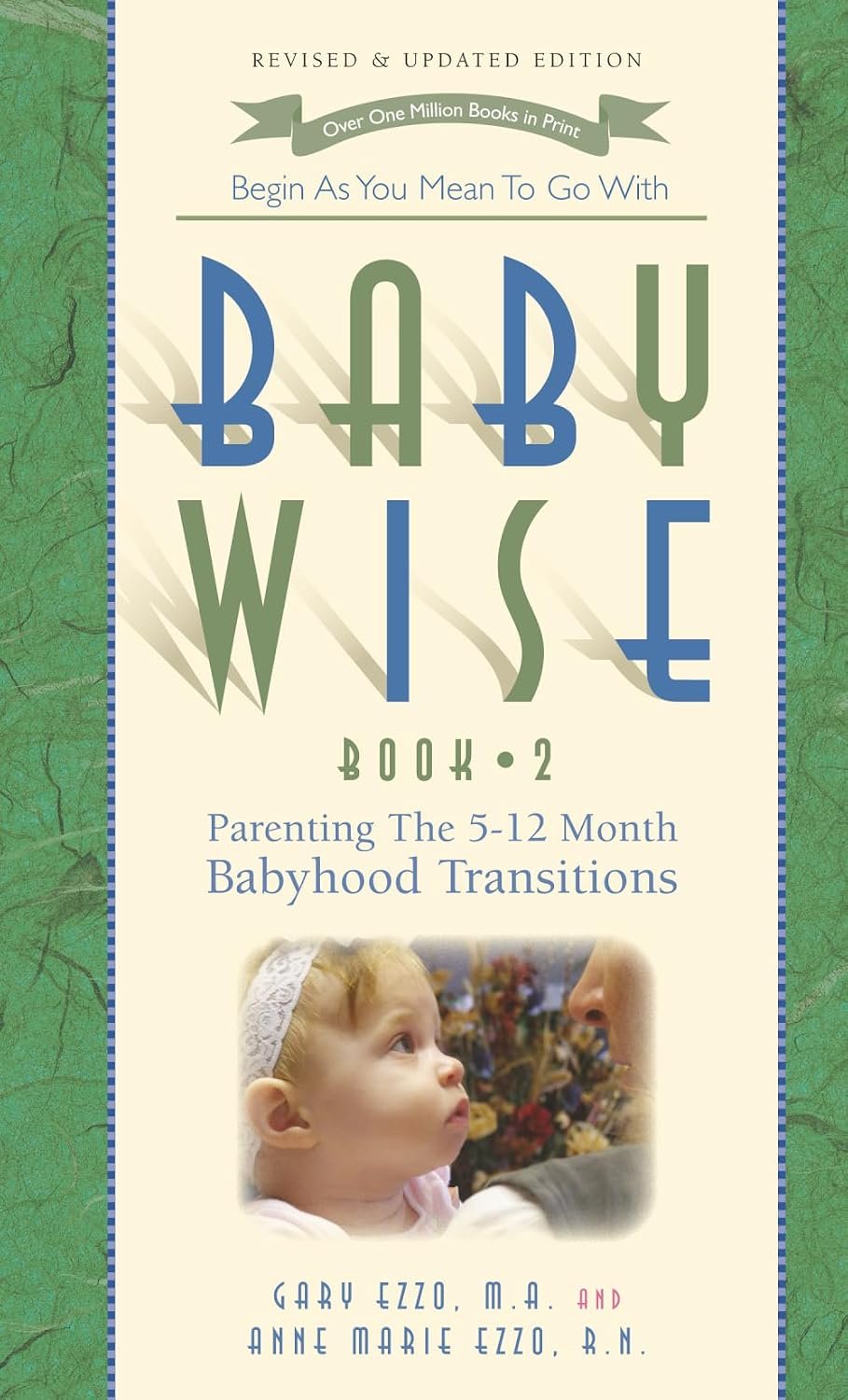
Baby Wise - Book 2
It’s reality-check time! You are at least five months into your tour of parenting duty by now. The complexity of the child-training has begun to come into focus. You have learned that as your baby matures, both constant and variable factors continually influence his or her development. What behaviors can and should you expect from your pretoddler? Feeding time for your pretoddler, for example, is now more than response controlled by a sucking reflex. For the pretoddler, mealtime is a part of a very complex, conscious interaction between what the child does and what his parents expect him to do. Right and wrong conduct will be encouraged, discouraged, and guided when necessary. In fact, right and wrong patterns of behaviour will now be part of your baby’s entire day. That’s why feeding time, waketime, and sleeptime provide wonderful opportunities for training, and Baywise Book II will guide you all the way, from the high chair to playpen, from the living room to the back yard. This series teaches the practical side of introducing solids food, managing mealtimes, nap transitions, traveling with your infant, setting reasonable limits will encourage healthy exploration, and much more. You will learn how to teach your child to use sign language for basic needs, a tool proven to help stimulate cognitive growth and advance communication. Apply the principles, and your friends and relatives will be amazed at the alertness, contentedness, and happy disposition of your baby.
-
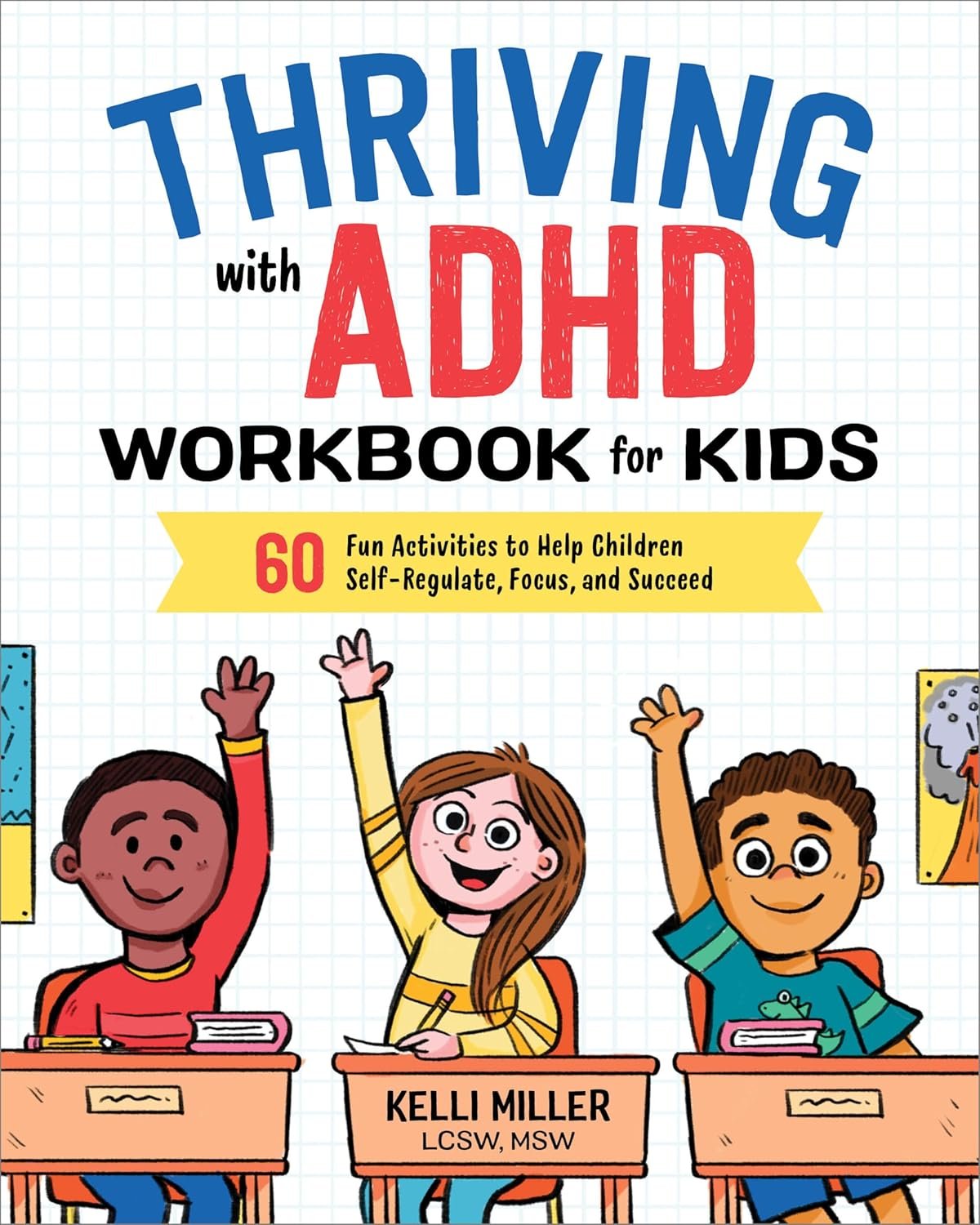
Thriving with ADHD
With the right tools, kids can learn to think positively about their ADHD. Thriving with ADHD is filled with easy exercises to help your child with the many facets of ADHD, from self-control and organization to getting tasks done and making friends―so they can flourish at home, school, and beyond.
Just in time for back to school, this workbook will assist your child in managing their ADHD symptoms. Written by licensed clinical social worker and psychotherapist Kelli Miller, this guide offers a strength-based approach to help your child gain a better understanding of themselves, their ADHD, and the simple things they can do to feel more confident and in control.
-

Sleeping Through the Night
Right after "Is it a boy or a girl?" and "What's his/her name?," the next question people invariably ask new parents is "Are you getting any sleep?" Unfortunately, the answer is usually "Not much." In fact, studies show that approximately 25% of young children experience some type of sleep problem and, as any bleary-eyed parent will attest, it is one of the most difficult challenges of parenting.
Drawing on her ten years of experience in the assessment and treatment of common sleep problems in children, Dr. Jodi A. Mindell now provides tips and techniques, the answers to commonly asked questions, and case studies and quotes from parents who have successfully solved their children's sleep problems.
Unlike other books on the subject, Dr. Mindell also offers practical tips on bedtime, rather than middle-of-the-night-sleep training, and shows how all members of the family can cope with the stresses associated with teaching a child to sleep.
-
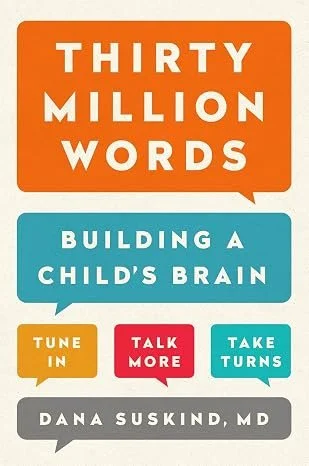
Thirty Million Words Building A Child's Brain
What nurtures the brain to optimum intelligence and stability?
It is a secret hiding in plain sight: the most important thing we can do for our children is to have conversations with them. The way you talk with your growing child literally builds his or her brain. Parent talk can drastically improve school readiness and lifelong learning in everything from math to art. Indeed, parent–child talk is a fundamental, critical factor in building grit, self-control, leadership skills, and generosity. It is crucial to making the most in life of the luck you have with your genes.
This landmark account of a new scientific perspective describes what works and what doesn't (baby talk is fine; relentless correction isn't). Discover how to create the best "language environments" for children by following the simple structure of the Three Ts: Tune In; Talk More; Take Turns. Dr. Suskind and her colleagues around the country have worked with thousands of families; now their insights and successful, measured approaches are available to all. -

The Sibling Journal
The Sibling Journal, a collaboration of LEFA Collective and Utah Parent Center is a reflective, activity-based journal created to help siblings of individuals with disabilities explore their thoughts, feelings, and experiences. It provides guided prompts, writing spaces, and creative exercises that encourage siblings to express emotions, build self-awareness, and better understand their unique role within the family. The journal emphasizes that sibling relationships can be complex and meaningful, often involving a mix of responsibility, pride, frustration, and love, and it creates a safe space to process those experiences.
The journal also focuses on personal growth and connection, helping siblings identify their strengths, coping strategies, and support systems while encouraging communication with family members. Through activities related to identity, relationships, future planning, and self-care, it aims to build resilience and confidence. Overall, the resource supports siblings in feeling seen and supported, while strengthening their ability to navigate both current challenges and future roles within their family.
-
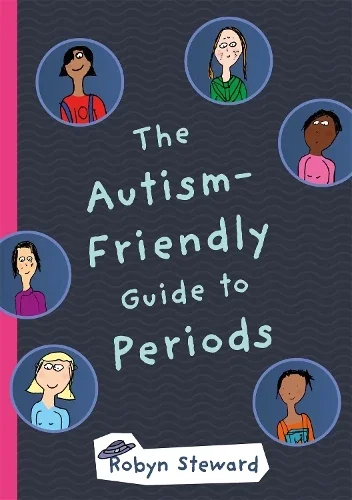
The Autism-Friendly Guide to Periods
Written by autistic author Robyn Steward, this is a detailed guide for young people aged 9 to 16 on the basics of menstruation. Created in consultation with young people, an online survey and a group of medical professionals, this is a book that teaches all people about periods, which can be a scary and overwhelming issue.
Promoting the fact that everyone either has periods or knows someone who does, the book reduces the anxiety girls face in asking for help. It offers direct advice on what periods look and feel like and how to manage hygiene and pain. It also breaks up information using illustrations and step-by-step photos of how to change pads and tampons, it discusses alternatives including period underwear and moon cups, and gives information about possible sensory issues for autistic people. -
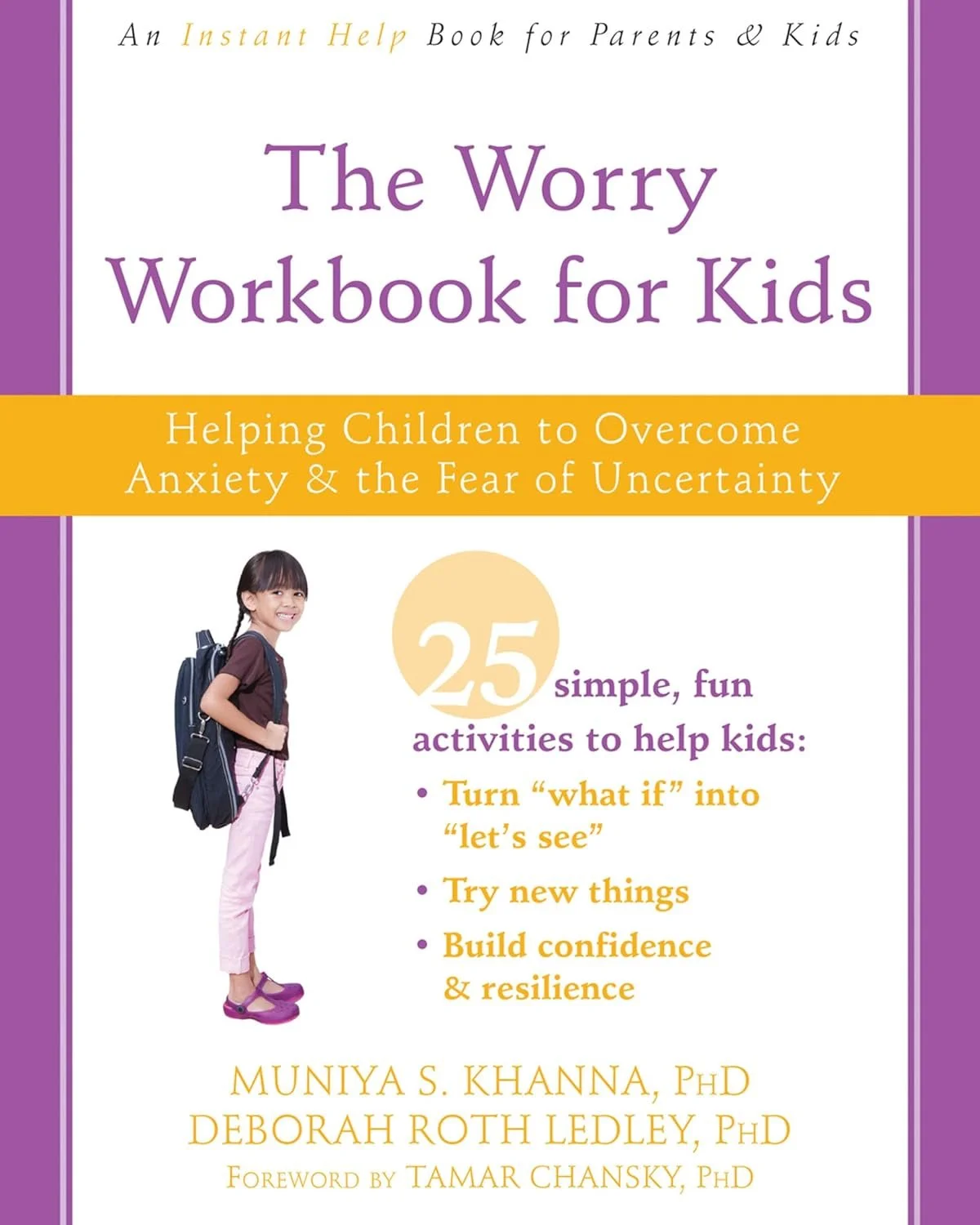
The Worry Workbook for Kids
Bring fun and adventure back into your child’s life. In The Worry Workbook for Kids, two respected psychologists offer fun, action-based activities grounded in cognitive behavioral therapy (CBT) to help your child move past fears of uncertainty, set and accomplish goals, and—most importantly—enjoy being a kid.
Today’s kids face intense pressures at school, with friends, and in life. But one of the most prevalent causes of worry in children is the fear of the unknown. Whether they are starting at a new school, trying out for a new sport, or going to a sleepover—for many kids who worry, it can be difficult moving from “What if?” to "Why not?" and trying new things. Sound familiar?
Written for children ages seven to twelve, this engaging workbook offers evidence-based cognitive behavioral therapy (CBT) tools to help kids embrace uncertainty and actually change their thoughts and behaviors by taking action—which will help bring adventure, fun, and freedom back into their lives! The practices in this workbook can be used anytime, anyplace, to help kids put a stop to worry before worry takes over.
-

Conquer Anxiety Workbook for Teens
Anxiety is a difficult emotion to manage, and the added stressors of teenage life can make it feel impossible to overcome. But,you have the power to handle it―you just need the right tools. Get ready to conquer anxiety with this friendly and straightforward anxiety workbook for kids and teens. The exercises inside will teach you practical, effective techniques to tackle worrying in the moment so you can keep anxiety from taking over.
With this anxiety relief book, you'll find out how to identify the types of anxiety you're experiencing―general anxiety, social anxiety, panic attacks, or phobias. Then, using strategies from cognitive behavioral therapy and mindfulness, you'll learn how to manage your thoughts, emotions, and behaviors. With helpful examples of real scenarios teenagers face at school, home, or with friends, this book is your secret weapon against anxiety in any situation.
-
The Depression Workbook for Teens
Find relief from depression symptoms with advanced tools for teens ages 12 to 17
This depression workbook draws on the most effective and up-to-date techniques, like cognitive behavioral therapy and mindfulness, to deliver simple exercises that help teens learn how to conquer depression.
Learn how to identify the differences between normal stress and depression, and find easy exercises designed to help you develop the skills you need to manage your emotional well-being and bring happiness back into your life.
The Depression Workbook for Teens includes:
Advice for teens―Tackle your depression head-on using strategies written with your unique needs and time constraints in mind.
Useful tools―With quizzes, journaling prompts, conversation starters, and more, you'll discover simple skill-building exercises that improve your mood and build your self-esteem.
Practical problem solving―Find ways to work through the challenges you're facing, like fighting with your parents, getting up in the morning, struggling with homework, and more.
The Depression Workbook for Teens gives you the helping hand you need to get through this difficult time.
-
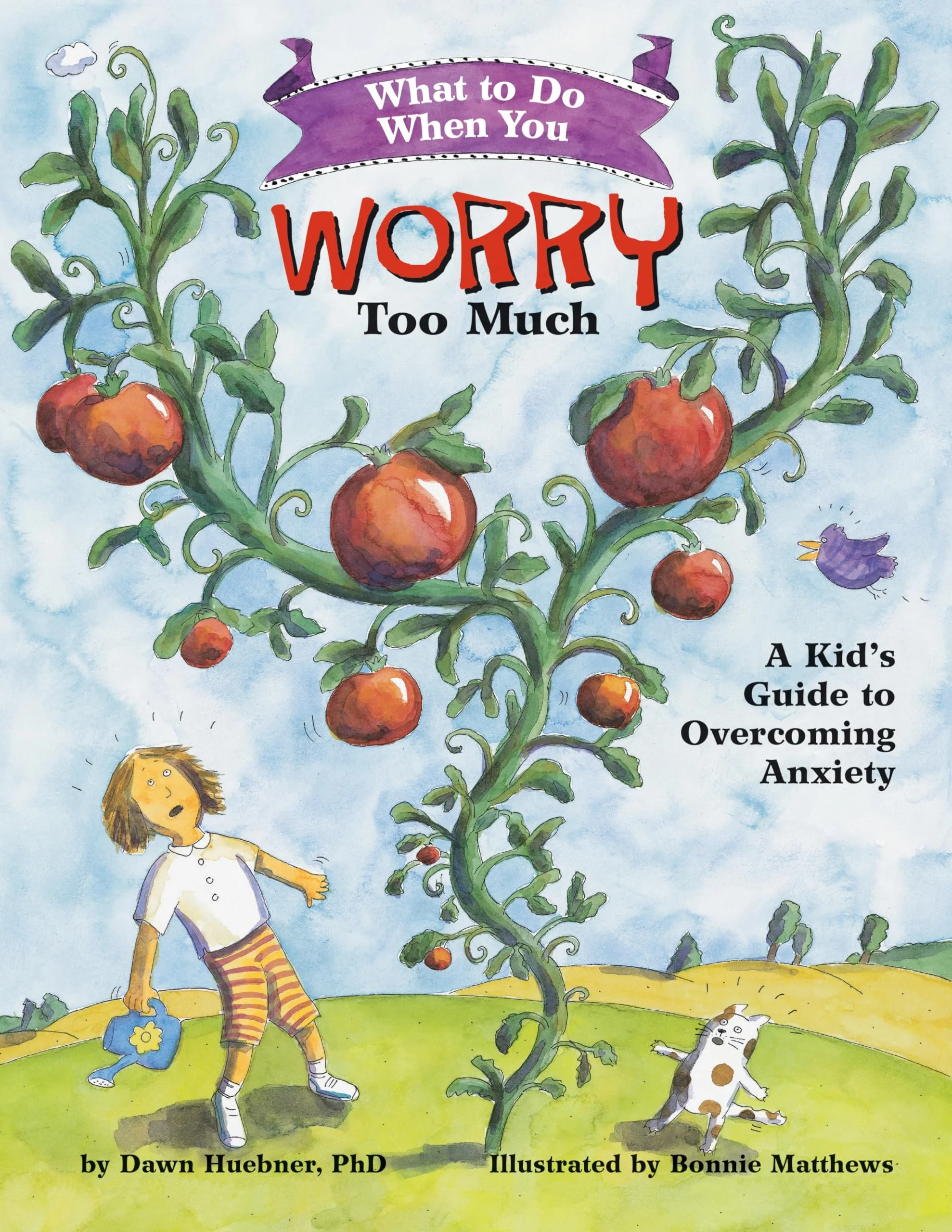
What to Do When You Worry Too Much: A Kid's Guide to Overcoming Anxiety
An interactive self-help book designed to guide 6-12 year olds and their parents through the cognitive-behavioral techniques most often used in the treatment of generalized anxiety. This book educates and motivates children to work towards change. It includes a note to parents by psychologist and author Dawn Huebner, PhD.
-

The Amazing Generation
Jonathan Haidt’s blockbuster book, The Anxious Generation, has sparked a global conversation about the effects of smartphones and social media on young people’s development, and has inspired millions of parents, teachers, and leaders to take action. Now, Haidt and Catherine Price, author of the bestselling How to Break Up with Your Phone, have teamed up to create a new book that speaks directly to kids. Their goal? To empower young people to stand up for themselves by choosing a life not dominated by screens and social media.
Whether or not kids already have smartphones or social media accounts, this engaging guide is packed with surprising facts, a graphic novel, interactive challenges, secrets that tech leaders don’t want kids to know, and real-life anecdotes from young adults who regret getting smartphones at a young age and want to help the next generation avoid making the same mistakes.
But this isn’t just a book about what not to do. It’s a bold, optimistic, and practical guide to growing into your most authentic, confident, and adventurous self. Readers won’t just discover how to avoid becoming the next Anxious Generation. They’ll learn how to become amazing.