


Resources for Eating Disorders
Early Signs and How to Help:
Early Signs:
Changes in eating patterns: This could look like a new obsession over certain foods, avoiding some foods, and skipping meals.
Compulsive Exercising: Those with an eating disorder can develop unhealthy and compulsive exercise habits.
Physical and behavioral changes: Behavioral changes can include depression, sudden withdrawal from family or friends, anxiety, and irritability. Physical changes can include, fainting spells, low blood pressure, brittle hair and nails, feeling cold all the time due to a drop in their internal temperature, and overall fatigue.
Unhealthy focus on body image: Those with an eating disorder may spend a large amount of time looking at and making negative comments about their bodies. They often have a distorted image of themselves despite reassurances from friends and family and will often conceal their body with baggy clothes.
How to Help:
Have a conversation: before you start a heavy conversation, its important to have the right information about each type of disorder. Set a safe time and place for them and make them feel comfortable. Let them know you want to have an important conversation, so they do not feel attacked or blindsided. The most important, is to listen. Try not to ask open ended questions and let them take control of the conversation. Always remind them they are not alone in this.
Be a good example by eating healthy foods and balanced meals. Tune into how you talk about foods and your body image.
Eat together as a family: Cooking together and eating together is another way of making food a fun experience.
Focus on other positive traits instead of appearance: Praise them for their success in school, their talents, etc. Giving people a value other than their looks sends a strong message.

Community Resources
Brooke Parker R.D. - Brooke Parker is a Registered Dietitian specializing in eating disorders. She has worked with individuals who struggle with anorexia, bulimia, binge eating, orthorexia, disordered eating and poor body image for over 20 years. Please contact our office for more information at 435-753-7337.
Avalon hills - residential eating disorder center located in Logan (435-266-4345) and Mendon (800-330-0490). https://avalonhills.org/
For a list of therapists who specialize in working with clients with eating disorders, visit Find Eating Disorders Therapists and Psychologists in Logan, UT - Psychology Today

Instagram Pages that Promote Healthy Lifestyles and Positive Body Image:
· @thebodylovesociety
· @evelyntribole
· @bodyimage_therapist (Ashlee Bennett)
Websites
-
National Eating Disorders (NEDA)
Recognizing the warning signs and symptoms of an eating disorder—and seeking help early—can greatly improve the chances of recovery. That’s why it’s important to know what to look for.
This isn’t intended as a checklist. Someone struggling with an eating disorder generally won’t have all of these signs and symptoms at once, and the warning signs vary across eating disorders and don’t always fit into neat categories. Rather, these lists are intended as a general overview of the types of behaviors that may indicate a problem.
-

HelpGuide.org
Are you worried that someone you know has anorexia, bulimia, or another eating disorder? These tips can help you support your child, family member, or friend.
-

The Original Intuitive Eating Pros
Learn the 10 principles of intuitive eating.
-

ANAD
ANAD pioneered peer support groups for eating disorders, and today we are the largest resource of our kind in the country. Our peer groups provide a free, virtual space where anyone can find community. We believe that everyone deserves a place to feel seen and supported, providing an accessible environment for all stages of the journey toward healing.
Books
-
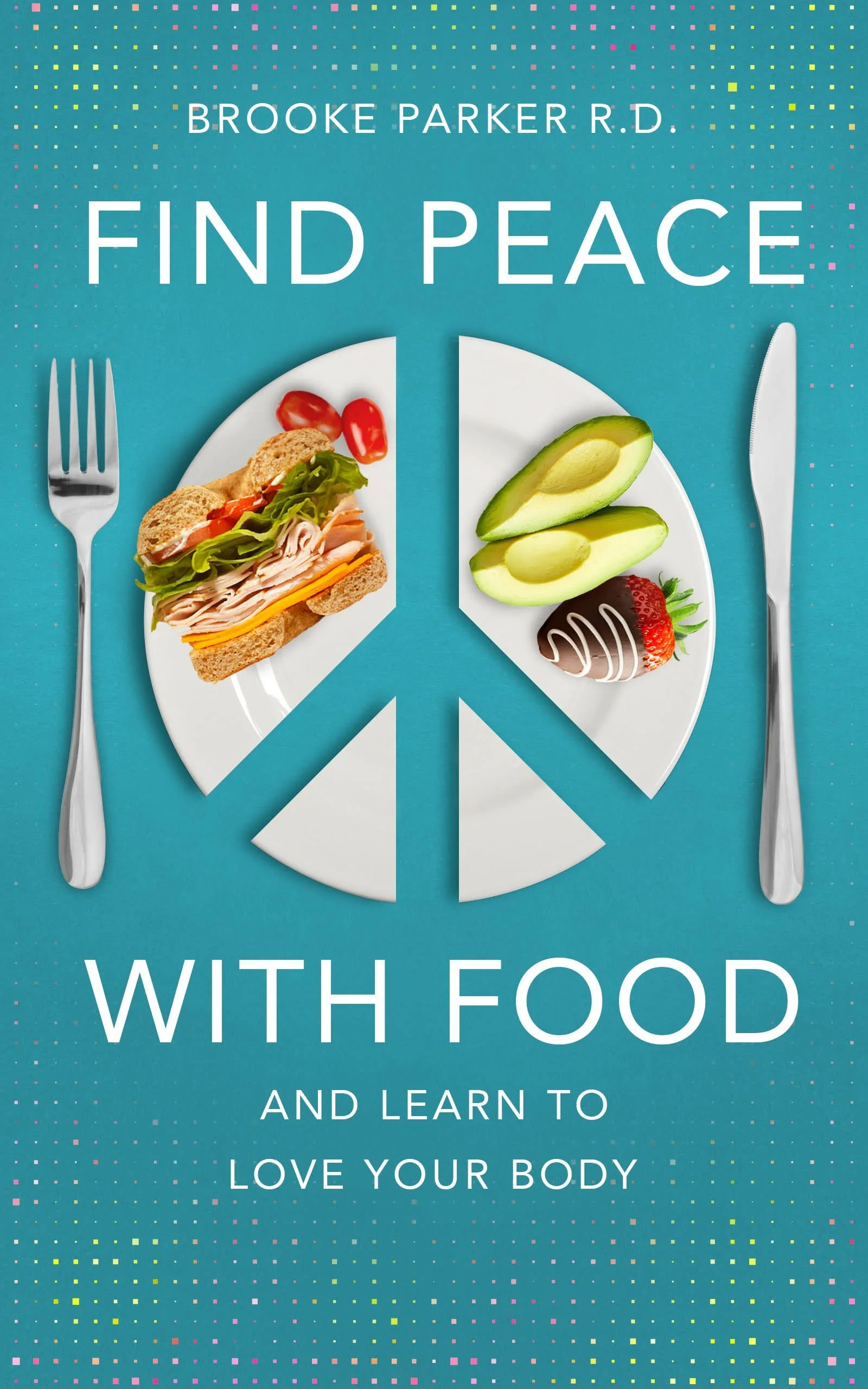
Find Peace with Food by Brooke Parker, R.D.
Brooke Parker is a registered dietician that sees patients at our own Primary Care Pediatrics. Please contact the front desk for scheduling. This book is also located in our Little Library.
Are you tired of the constant battle between “good” foods and “bad” foods? Do you have endless health rules that you just keep breaking? When was that last time you ate without guilt? How long has it been since you said something nice about your body?
If you can relate to the frustrations of these questions, then it is time to end the food fight and heal your relationship with your body. In this book, registered dietitian Brooke Parker shares her techniques for engaging in a more intuitive eating pattern and developing a positive body image. Breaking free from the dieting mentality will create the space for you to determine a balanced path for your future. You will also have the chance to personalize your experience by utilizing the several worksheets found within.
-
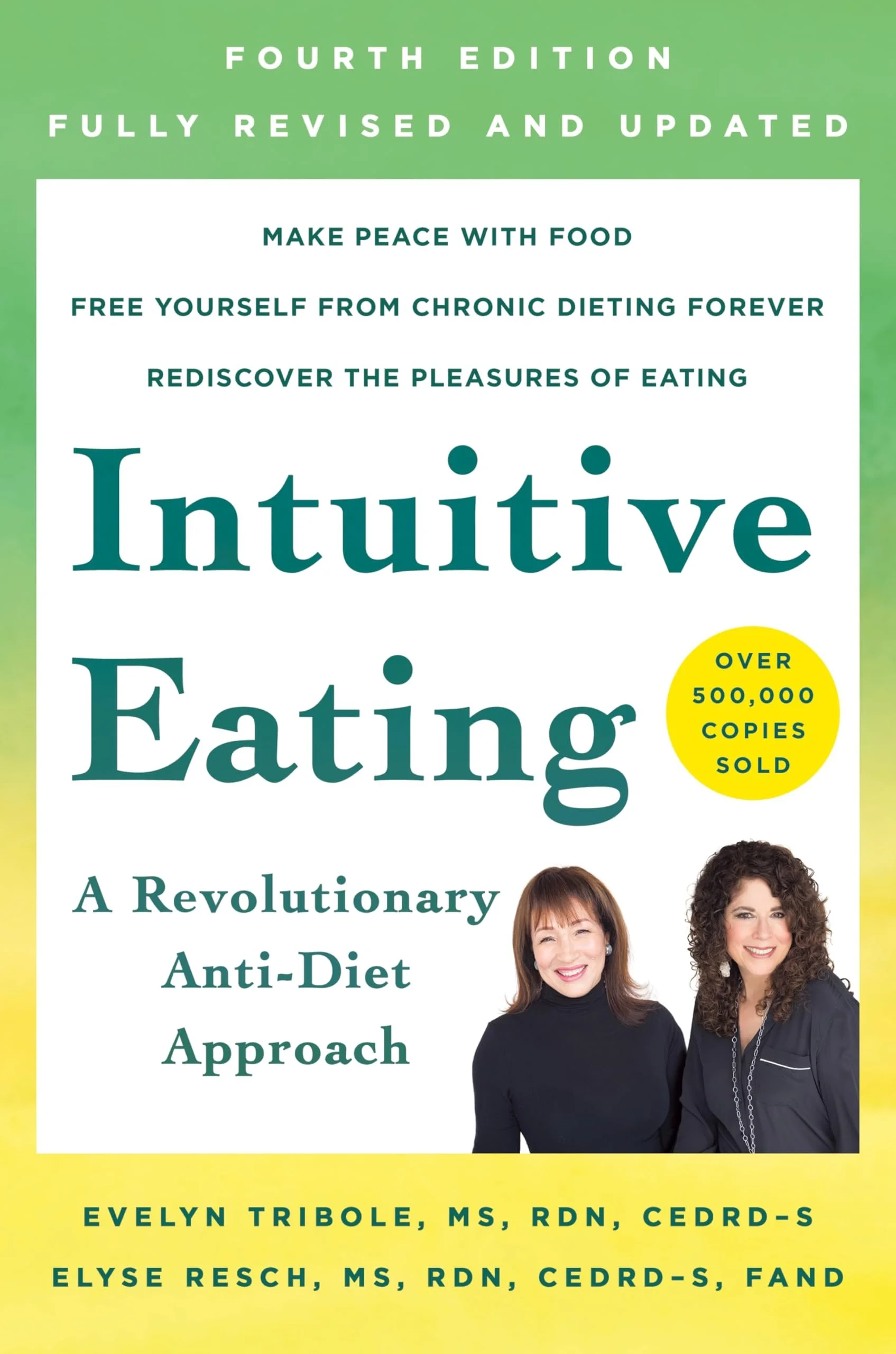
Intuitive Eating by Evelyn Tribole and Elyse Resch
When it was first published, Intuitive Eating was revolutionary in its anti-dieting approach. The authors, both prominent health professionals in the field of nutrition and eating disorders, urge readers to embrace the goal of developing body positivity and reconnecting with one’s internal wisdom about eating―to unlearn everything they were taught about calorie-counting and other aspects of diet culture and to learn about the harm of weight stigma. Today, their message is more relevant and pressing than ever. With this updated edition of the classic bestseller, Evelyn Tribole and Elyse Resch teach readers how to:
• Follow the ten principles of Intuitive Eating to achieve a new and trusting relationship with food
• Fight against diet culture and reject diet mentality forever
• Find satisfaction in their food choices
• Exercise kindness toward their feelings, their bodies, and themselves
• Prevent or heal the wounds of an eating disorder
• Respect their bodies and make peace with food―at any age, weight, or stage of development
• Follow body positive feeds for inspiration and validation
. . . and more easy-to-follow suggestions that can lead readers to integrate Intuitive Eating into their everyday lives and feel the freedom that comes with trusting their inner wisdom―for life. -
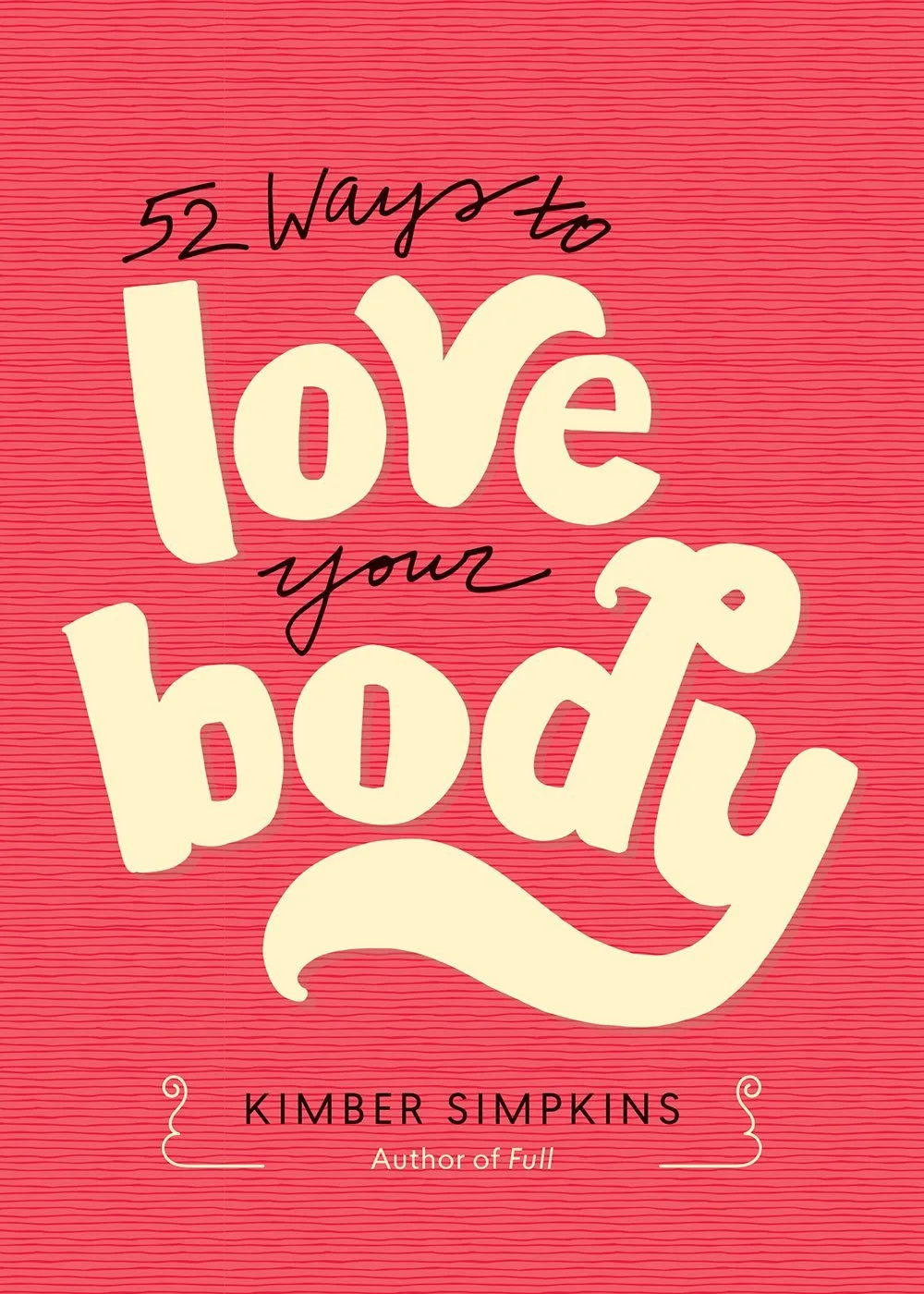
52 Ways to Love Your Body by Kimber Simpkins
It's time to step away from the scale, ditch the fad diets, and embrace the body you’re in. In this powerful book, Kimber Simpkins, yoga instructor and author of Full, gives you 52 undeniable ways to love your body and discover your own unique beauty!
Do you look in the mirror and see all the things you dislike about your body? For many of us, the first step to loving our bodies is being able to look at our reflection and not criticize what we see. And in a culture that worships thin, beautiful celebrities, it’s easy to feel like we just don’t measure up. So, how can you get over your flaws and focus on your fabulous?
52 Ways to Love Your Body is packed with easy and fun practices—one for each week of the year—to help you toss perfectionism out the window, turn down the volume on that nagging inner critic who is always going on about what's wrong, stop the never-ending comparison game, and finally love your body. You'll also find encouraging, in-the-moment affirmations to keep negative self-talk at bay, and give you a much-needed pick-me-up, any time, any place.
If you're ready to start loving your body, this book gives you 52 ways to get started now. So, what are you waiting for?
-
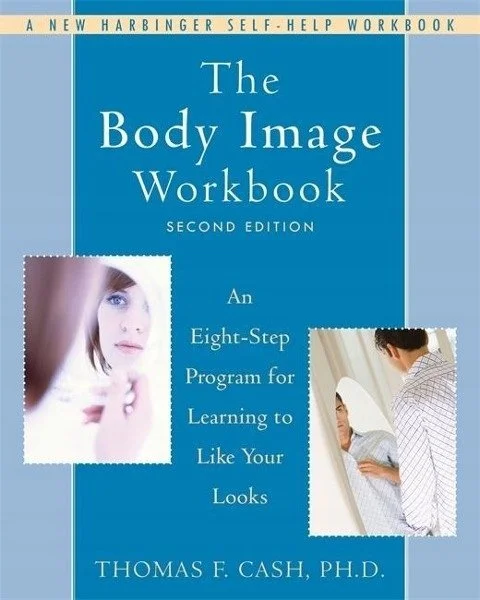
The Body Image Workbook by Thomas F. Cash
Have you ever wondered what it would feel like to accept and enjoy the way you look instead of constantly worrying about and criticizing your appearance? What if instead of focusing on your flaws, you felt confident with the body you have right now?
If you don't like what you see when you look in the mirror, you may not realize that these feelings are entirely within your grasp. You don't need extensive cosmetic surgery, pricey beauty treatments, or weight loss programs, but you may need to do something even more drastic-change your perspective and the way you view yourself. The Body Image Workbook offers a comprehensive program to help you stop focusing on your perceived imperfections and start feeling more confident about the way you look.
As you complete the help sheets in this book, you'll learn to celebrate your body instead of feeling ashamed of it. This new edition includes discussions of our obsession with physical appearance and with body-fixing options. It helps you discover your personal body image strengths and vulnerabilities and then guides you in creating new, life-changing experiences of mindfulness and body acceptance. After completing this eight-step program, you'll look at yourself in a whole new light-seeing the beauty of the real you.
-
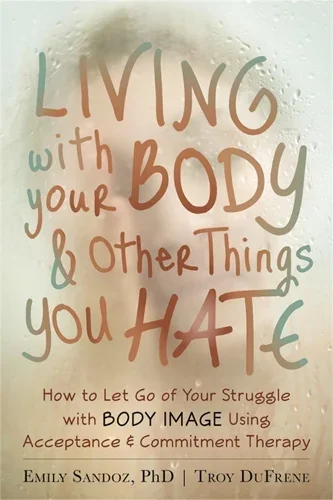
Living with your Body & Other Things You Hate by Emily Sandoz & Troy DuFrene
Let’s be honest: most people are unhappy with at least some aspect of their physical appearance. Just think of all the money we spend each year trying to improve our looks! But if worrying about your appearance is getting in the way of living, maybe it’s time to start thinking about body image in a completely new way.
Based in proven-effective acceptance and commitment therapy (ACT), Living with Your Body and Other Things You Hate offers a unique approach to addressing your struggle with body image. In this book, you will not be told that your self-perceptions are wrong, that your thoughts are irrational, or that your feelings are misguided. Instead, you will learn to live with the reality that these often painful thoughts and beliefs about yourself will arise from time to time, and that what is really important is accepting these distressing thoughts without allowing them to dominate your life.
You know what it’s like to constantly be checking the mirror, to avoid certain social situations where your body may be exposed, or to gaze longingly at a fashion model in a magazine and think, “Why can’t I be her?” But what you may not know is that people who struggle with negative body image are at an increased risk for depression, anxiety, eating disorders, and low self-esteem. Body image problems can even lead to major financial issues. By focusing on your appearance and little else, you are hurting yourself in more ways than one.
If you are ready to find a purpose in life that is more important than the pain you feel about your appearance, this book provides a truthful, powerful resource.
-
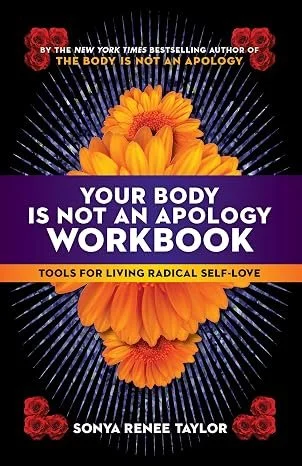
Your Body is Not an Apology by Sonya Renee Taylor
Readers of The Body Is Not an Apology have been clamoring for guidance on how to do the work of radical self-love. After crowdsourcing her community, Sonya Renee Taylor found her readers wanted more concrete ideas on how to apply this work in their everyday lives. Your Body Is Not an Apology Workbook is the action guide that gives them tools and structured frameworks they can begin using immediately to deepen their radical self-love journey--such as Taylor's four pillars of practice, which help readers dismantle body shame and give them access to a lifestyle rooted in love. Taylor guides readers to move beyond theory and into doing and being radical self-love change agents in the world.
"In this book, you will be asked to draw, color, doodle, talk to friends, take risks, and perhaps step outside of what feels like your natural gifts and talents," Taylor writes. "I encourage you to release the need to be 'good' at what you are doing and instead strive to be authentic. Perfection is the enemy of radical self-love because it is an impossible illusion. When the voice of perfectionism chimes in, take a deep breath, remember that the work is about the process, not about the product, and give yourself permission to be fabulously unapologetically imperfect.