


What is Bullying?
Bullying is unwanted, aggressive behavior among school aged children that involves a real or perceived power imbalance. The behavior is repeated, or has the potential to be repeated, over time. Both kids who are bullied and who bully others may have serious lasting problems.
Types of Bullying
Verbal Bullying: teasing, name-calling, inappropriate comments, taunting, threats
Social Bullying: leaving someone out on purpose, telling others not to be friends with someone, spreading rumors, embarrassing someone in public
Physical Bullying: Hitting, kicking, pinching, spitting, tripping, or pushing, taking, and breaking someone’s things
Cyberbullying: bullying that takes place through text, social media, email, online gaming communities, chat rooms, anything using a digital device

Signs of Possible Bullying
1. Your child has unexplainable injuries
2. If they “lose” or have destroyed personal belongings
3. If they have feelings of helplessness or decreased self-esteem
4. If they have a sudden loss of friends or avoid social situations
5. If they have declining grades
6. If not notice any changes in behaviors that are not their normal behaviors/attitudes
What to do if your child is being bullied:
Listen to what they have to say. Being a good listener is a key component in knowing if your child is being bullied. As much as it hurts to listen, be open and able to hear what they are saying. Try to be supportive and validate their feelings. When you have a strong reaction, your child may stop sharing in fear of making you upset.
Assure them that the bullying is not their fault.
Work together to resolve the situation. Ask the child what can be done to make them feel safe.
Develop a game plan. Maintain open communication between the school, parents, and child.
Make the school aware of the situation.
Avoid these things:
1. Never tell them to ignore the bullying. It needs to be addressed.
2. Do not blame them for being bullied. No one deserves to be bullied.
3. Do not tell them to physically fight back. It could get them hurt, suspended, or expelled. It can also make the bullying worse.
Websites
-

stopbullying.gov
When adults respond quickly and consistently to bullying behavior they send the message that it is not acceptable. Research shows this can stop bullying behavior over time.
Parents, school staff, and other adults in the community can help kids prevent bullying by talking about it, building a safe school environment, and creating a community-wide bullying prevention strategy.
-
Committee for Children
Since 1979, Committee for Children has been a leader in advancing the safety and well-being of children. Through research-based programs, advocacy, and partnerships, we equip educators, families, and communities with tools to create safer, more supportive environments.
-
National Bullying Prevention Center (PACER)
PACER Center improves educational opportunities and enhances the quality of life for children and young adults with disabilities and their families.
-
Teach
Description goes here
Books
-
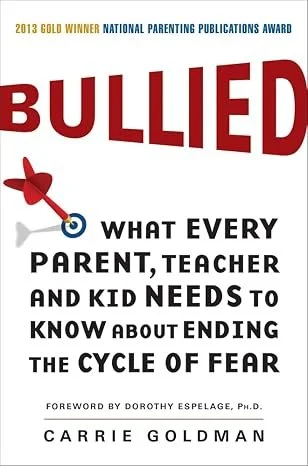
Bullied What Every Parent, Teacher, and Kid Needs to Know about Ending the cycle of Fear
Author Carrie Goldman. A highly-researched guide on responding to bullying, social conflict, and peer victimization. Weaving in beautiful prose and real stories with actionable advice and expert resources, Bullied is a must-read for parents, teachers and kids.
-
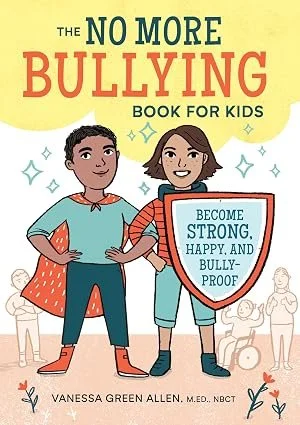
The No More Bullying Book for Kids
Author Vanessa Green M.Ed. NBCT. Bullying has become a common problem for kids. Yet, many may not know what bullying actually is or what to do if it happens to them. The No More Bullying Book for Kids gives kids the information they need to identify bullying, followed by strategies for dealing with specific situations when they or someone they know is being bullied.
-
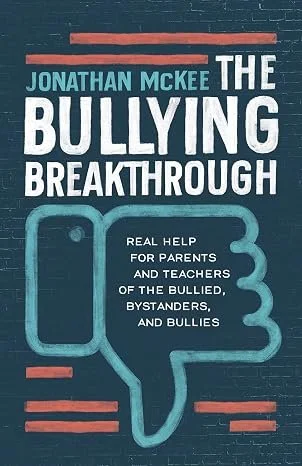
The Bullying Breakthrough
Author: Jonathan McKee. “Today, when the bell rings, kids might leave their school campus, but they can never escape the other world, a world where mockers and intimidators thrive. Ironically, they carry a gateway to that world right in their pockets, because they see that world as an avenue of escape. . .but in reality, it’s putting them in bondage." --Jonathan McKee
-
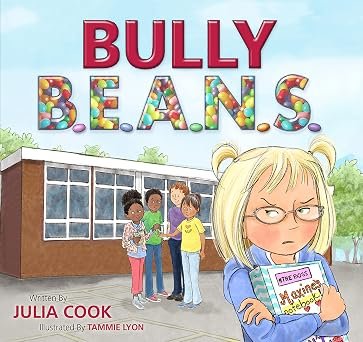
Bully Beans
Bullying continues to be an ongoing problem for children everywhere. Children from every race, culture, and socioeconomic group are susceptible to bullies. Most children are unprepared for how to handle it when bullying happens to them or someone they know. Bully B.E.A.N.S. helps children identify bullying, and offers clear and impactful action strategies for both targets and bystanders.
Maxine liked to pick on kids... especially Winston. Winston is the smartest kid in our whole school. Maxine made him do all of her homework and give her all of his lunch money. Maxine liked to make Winston cry... then she'd call him a crybaby.
"If you don't do exactly what I tell you to, I'll knock you into next week!"
Nobody liked the way Maxine treated Winston, but we were too afraid to do anything about it.
-
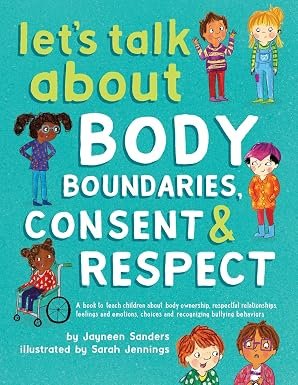
Let's Talk About Body Boundaries, Consent, & Respect: Teach Children about Body Ownership, Respect, Feelings, Choices, and Recognizing Bullying Behaviors
Author Jayneen Sanders. Teaching young children about body boundaries, both theirs and others, is crucial to a child's growing sense of self, their confidence and how they should expect to be treated by others. A child growing up knowing they have a right to their own personal space, gives that child ownership and choices as to what happens to them and to their body. It is equally important a child understands, from a very young age, they need to respect another person's body boundary and ask for their consent when entering their personal space. This book explores these concepts with children in a child-friendly and easily-understood manner, providing familiar scenarios for children to engage with and discuss. It is important that the reader and the child take the time required to unpack each scenario and explore what they mean both to the character in the book, who may not be respecting someone's body boundary, and to the character who is being disrespected. It is through these vital discussions that children will learn the meaning of body boundaries, consent and respect. Learning these key social skills through such stories as 'Let's Talk About Body Boundaries, Consent and Respect' and role-modelling by significant adults can, importantly, carry forward into a child's teenage years and adult life.