

If your child is in immediate danger of hurting themselves or others, call 911.
For less urgent situations, but still mid-crisis, call Stability and Mobile Response Team (833-723-3326) and they will meet you wherever you are in the community to deescalate a situation and help make a safety plan for your family. You or your child can also call the National Suicide Hotline at 988 for immediate counseling assistance.
Warning Signs and How to Help:
Warning Signs:
Talking about wanting to die or kill themselves
Looking for a way to kill themselves (making a plan)
Talking about feeling hopeless, having no reason to live, trapped, or being a burden to others
Increasing use of drugs or alcohol
Acting anxious or agitated or behaving recklessly
Sleeping too much or too little
Withdrawing or isolating themselves
Extreme mood swings
How to Help:
Communicate regularly and check in with them
Be supportive, understanding, and nonjudgmental
Know the warning signs
Don’t assume is just “being a teenager”
Reach out to healthcare professional if you are concerned
Suicide Prevention & Resources
-

Dream it.
Is your child facing a challenge? Stabilization and Mobile Response (SMR) services can help. We work with you and your family to deescalate a situation and/or create a plan that fits your needs and will have a team meet you where you are, wherever you are in the community. If your child’s thoughts and behaviors are normal for their age or a sign of something more serious. Sometimes you may not know where to turn for help—and you may need help right now if your child: threatens to hurt themself or others, is verbally or physically aggressive, uses substances, and destroys or steals property. A mobile crisis response team can help address urgent challenges your child is having. These services are free to everyone in Utah, no matter where you live.
Phone: 833-723-3326
-
Utah Suicide and Crisis Lifeline
Callers connected to the Utah Crisis Line receive specialized, individualized support from certified crisis workers trained in suicide prevention, de-escalation, and stabilization and get connected to mental health resources. This line may also connect you to a Mobile Crisis outreach team where trained crisis workers mee you wherever you are in the community and receiving centers which provide a safe space when you're having a mental health challenge but don’t need to be hospitalized.
Phone: 800-273-8255 (TALK) or 988
-

Grow it.
Free website and app to chat with a licensed counselor for free. Available 24/7. You are also able to submit a tip if you’re worried a friend is being hurt or might hurt someone else, SafeUT will help you tell a trusted adult.
Phone: 833-372-3388
-

Live on Utah
Live On is a statewide effort to prevent suicide by promoting education, providing resources, and changing our culture around suicide and mental health.
Find crisis services resources, faith, firearm safety, LGBTQIA+, parents, postvention, youth and young adults, etc.
-
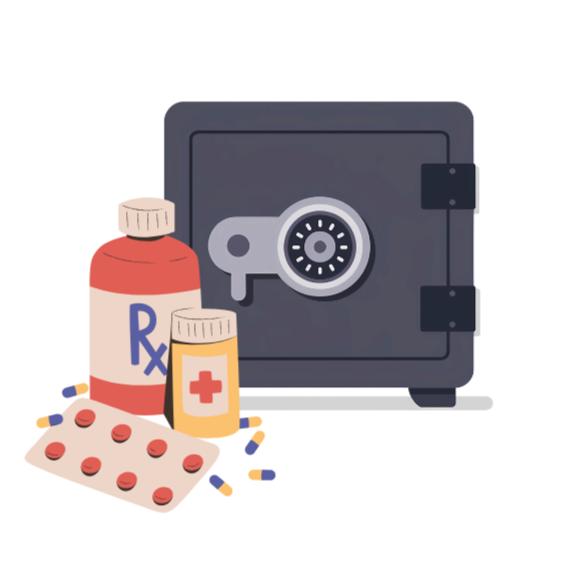
Firearm and Medication Safety Saves Lives
The Utah suicide Prevention Committee and Coalition has resources for firearm and medication safety. Simple steps can help prevent tragedy. Learn how secure storage and responsible ownership of your firearms, ammunition, and medications can protect your loved ones and reduce the risk of suicide.
Intermountain Healthcare also has an article for firearm safe storage. Find education videos and safe off-site and on-site storage options for your weapon.
-

NAMI Utah - Mental Health Resources
NAMI Utah offers classes, support groups, and resources throughout Utah for families, caregivers, and individuals living with mental illness.
-

Utah PTA Toolkit
In a time when suicide is the leading cause of death among Utah youth, it is more important than ever for families, educators, and community members to be educated about suicide and suicide prevention. This evidence-based toolkit has been created by prevention specialists in collaboration with Utah PTA with a singular goal in mind: to help every child in Utah. It contains a combination of upstream, midstream and downstream approaches designed to help children of all ages in their homes, at PTA activities, in the classroom and more.
-

Utah Suicide Prevention Committee & Coalition
The Utah Suicide Prevention Committee and Coalition has articles for youth & young adults, LGBTQ+, faith, and workplace resources for suicide prevention and mental health support.
-

Parent Guidance
Education and support to empower and give parents hope as you support your child’s mental health.
-

Talking with your Child
Emotional health is the ability to express feelings, adjust to emotional challenges, tolerate frustration, cope with life stressors, and enjoy life. It includes knowing our strengths and what we can get better at, persisting after failures and setbacks, developing flexibility and resilience, living and working on our own, and letting others help us along the way. With some tools, tips, and practice, you can feel confident to talk about emotional health with your child.
-

Child Mind Institute - Suicide & Self-Harm Warning Signs
Explore suicide prevention resources to recognize warning signs of suicide and self-harm, and learn how to respond with care and support.
-

American Foundation for Suicide Prevention
The American Foundation for Suicide Prevention focuses on eliminating the loss of life from suicide by: delivering innovative prevention programs, educating the public, raising funds for suicide research and programs, and reaching out to those who have lost someone to suicide.
-

Suicide Prevention Resource Center
Suicide Prevention Resource Center can help you find help for yourself or someone else, explain what suicide prevention is, and suicide prevention resources.
-

HelpGuide.org
If you’re feeling suicidal, you may be afraid you’ll be judged or that no one will understand. If you’re worried about someone else, you may fear that you’ll say the wrong thing. But talking openly can save a life. Don’t wait: reach out.
Books
-
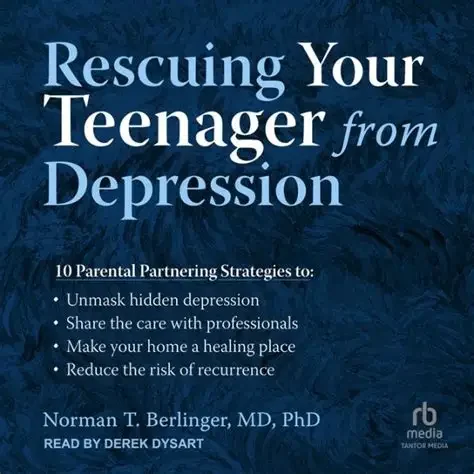
Rescuing Your Teenager from Depression by Norman T. Berlinger M.D., PhD.
One in eight high school students is depressed. But depression in teenagers can be deceptive, and authorities estimate that a huge number of depressed teens are undiagnosed. Adults may mistake symptoms as "typical" teen angst, anger, or anxiety.
For parents who suspect their teen is depressed, the system often fails the family. Insurance coverage for treatment ends too soon, there's a months-long wait to see an adolescent therapist, or long-term follow-up is insufficient.
Although a medical doctor, Dr. Berlinger initially missed the signs of his own son's depression. Now he shares his Ten Parental Partnering Strategies to help parents rescue their teen from depression-based on his own experiences, nearly 100 interviews with parents of depressed teens, and interviews with mental health professionals.
Parents can use Dr. Berlinger's strategies to help distinguish depression from moodiness; be alert to suicide risk; monitor medication effectiveness; help the teen combat negative thinking; organize activities to offset depression; and spot signs of relapse during tense times in their child's life, including exams, relationship breakups, or starting college or a job.
-
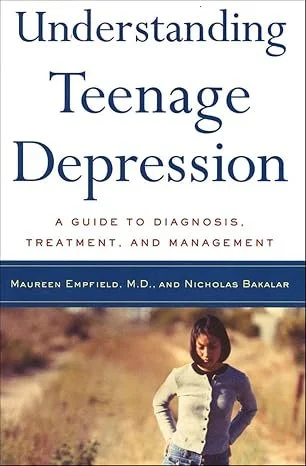
Understanding Teenage Depression- A Guide to Diagnosis, Treatment, and Management by Maureen Empfield M.D. and Nicholas Bakalar
Based on the latest scientific findings, a comprehensive guide to the diagnosis and treatment of teenage depression.
Each year thousands of American teenagers are diagnosed with clinical depression. If ignored, poorly treated, or left untreated, it can be a devastating illness for adolescents and their families. Drawing on her many years of experience as a pychiatrist working with teenagers, Dr. Maureen Empfield answers the questions parents and teens have about depression, providing detailed information on:
*Identifying the different types of depression
*How depression is diagnosed
*Which teenagers are most at risk
*Suicide
*The effect of depression on other teenage problems
*How depression is treated and by whom
*The drugs used to treat teenage depression - what they are and how they work
*When a teenager needs to be hospitalized for depression
*and more
Understanding Teenage Depression provides the latest scientific findings on this serious condition, and the most up to date information on its treatment. The book includes numerous vignettes drawn from Dr. Empfield's clinical practice as well as first person accounts from teenagers who have themselves suffered from depression. Understanding Teenage Depression is a book that anyone who's been touched by this disease - whether parents, teachers, family members or teens themselves - will find invaluable. -

The Disappearing Girl- Learning the Language of Teenage Depression by Dr. Lisa Machoian
It all begins with an idea. Maybe you want to launch a business. Maybe you want to turn a hobby into something more. Or maybe you have a creative project to share with the world. Whatever it is, the way you tell your story online can make all the difference.
-

Real Boys- Rescuing our Sons from the Myths of Boyhood by William Pillack, PhD
"Based on Pollack's groundbreaking research at Harvard Medical School over two decades, "Real Boys" explores why many boys are sad, lonely, and confused although they may appear tough, cheerful, and confident."