


Helpful Tips on Behavior.
Helpful Tips and Tricks:
Invest in one-on-one time daily. When they don’t have that positive attention they are needing, they will seek out attention in negative ways. Aim for 15-30 minutes of one-on-one time a day per child.
Try saying no to saying no. Find opportunities to say “yes” when you can and it is appropriate. If your kiddo asks to go to the park in the middle of a busy weekday try saying “Going to the park sounds like so much fun. Should we go tomorrow after school or on Saturday?” When you need to say “no” try to redirect them in a more positive direction. Let them feel like they have a choice and a voice.
Don’t ignore the source of misbehavior. Misbehavior is almost always a sign of a deeper issue and when we can find out what that is, we can use the right strategies to correct it.
Positive attention for positive behaviors. Giving your child positive reinforcement for being good helps maintain the ongoing good behavior. Positive attention enhances the quality of the relationship, improves self-esteem, and feels good for everyone involved. Positive attention to brave behavior can also help attenuate anxiety, and help kids become more receptive to instructions and limit-setting.
Be consistent and clear. Randomly giving consequences when you are frustrated undermines the system and makes it hard for them to connect behaviors with consequences.

Community Resources
The Family Place: 1525 N 200 W, Logan, UT, 84341 (435) 752-8880 https://thefamilyplaceutah.org/
Parenting Classes
Therapy
Respite Nursery
Youth Care: 12595 South Minuteman Drive Draper, UT 84020 (801) 572-6989 www.youthcare.com
Licensed residential treatment center for adolescents 11 through 17 years old who are struggling with emotional and behavioral issues. Also provides a day-treatment program.
Services (inpatient): individual/group/family therapy sessions, substance abuse counseling (if necessary), 24-hour medical staff, and individualized education.
Services (outpatient): individual/group/family therapy sessions, expressive/exposure/music/recreational/cognitive-behavioral/dialectical-behavioral/trauma-focused therapy, and medication management services
Websites
-
Positive Parenting Solutions
This website offers free classes and tips/tricks for parenting helps.
-

HealthyChildren.org
As a parent, one of your jobs to teach your child to behave. It's a job that takes time and patience. But, it helps to learn the effective and healthy discipline strategies.
-

National Library of Medicine
The word discipline means to impart knowledge and skill – to teach. However, it is often equated with punishment and control. There is a great deal of controversy about the appropriate ways to discipline children, and parents are often confused about effective ways to set limits and instill self-control in their child. Research article for effective discipline for children.
Books:
-
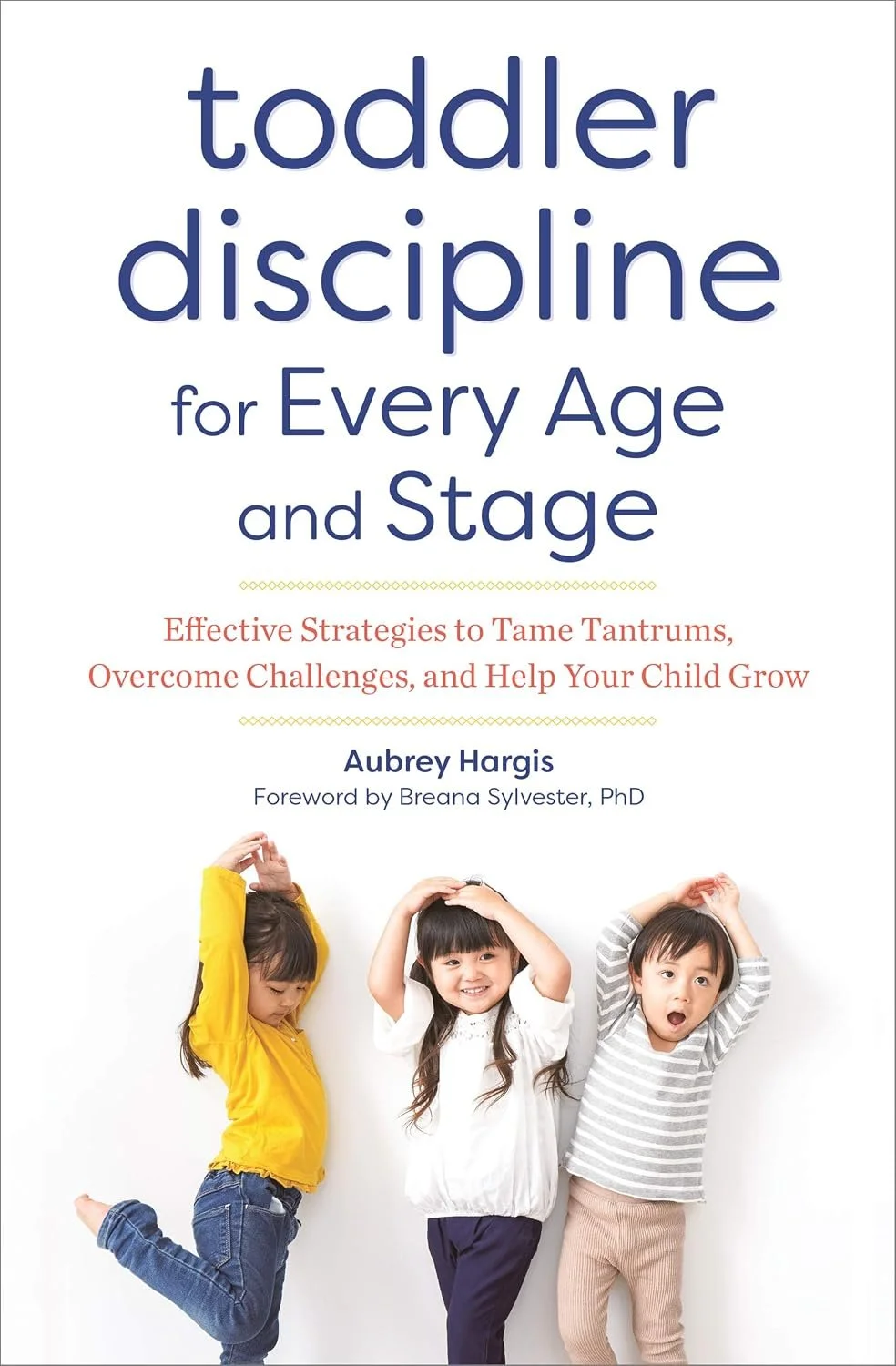
Toddler Discipline for Every Age and Stage: Effective Strategies to Tame Tantrums, Overcome Challenges and Help Your Child Grow by Aubrey Hargis and Breana Sylvester PhD
Written by mother of two and child development expert Aubrey Hargis, this guide to parenting toddlers teaches you about the behavioral challenges you'll face and the ways you can address them while fostering important life skills like curiosity, respect, independence, and confidence.
Make it easier to manage your little one's most challenging behaviors with these highly effective toddler discipline tools. This standout among parenting books helps you learn how to effectively support your toddler as you deal with day-to-day difficulties. Tackle toddler discipline and tamp down tantrums before preschool begins!
-
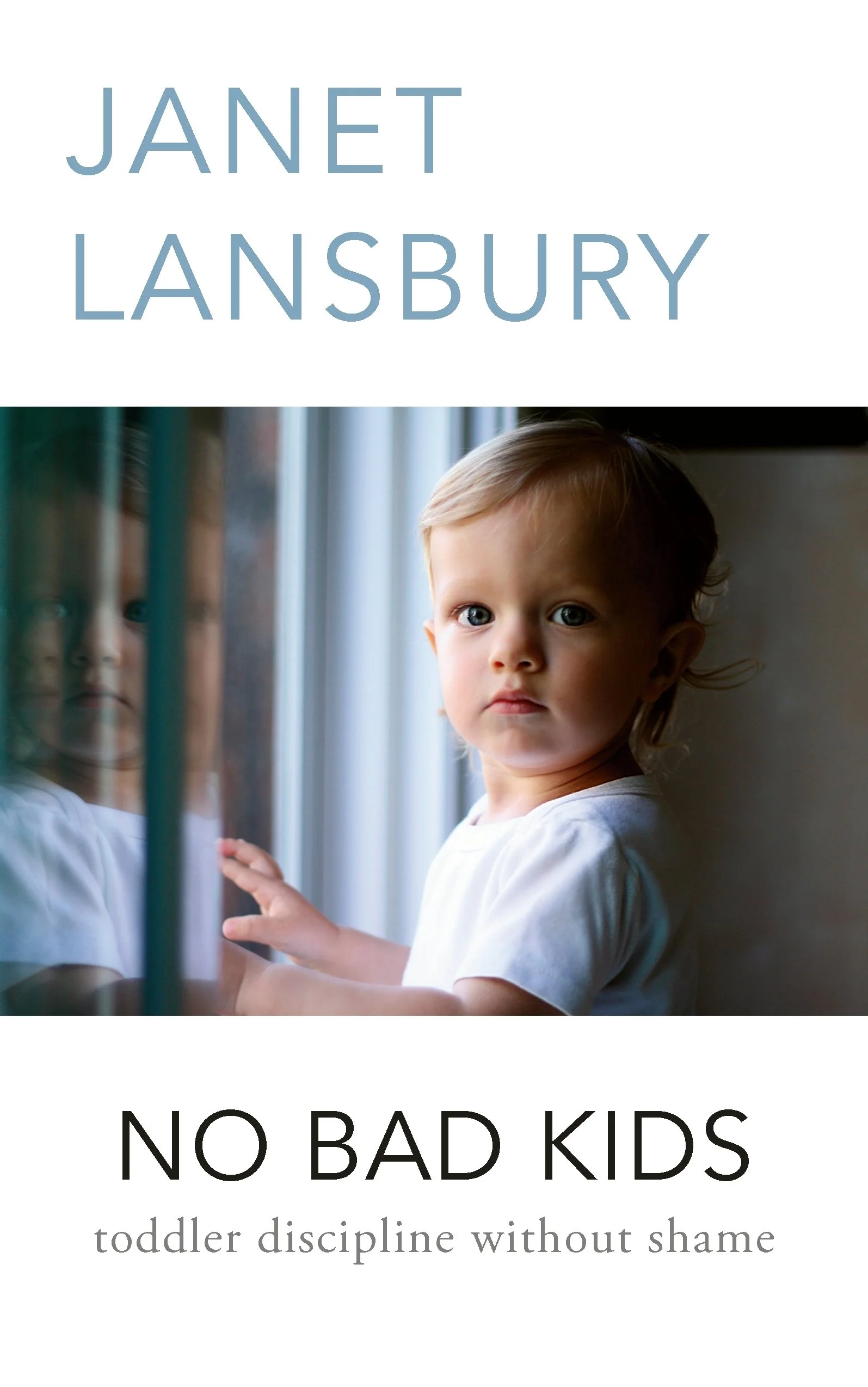
No Bad Kids by Janet Lansbury
Janet Lansbury is unique among parenting experts. As a RIE teacher and student of pioneering child specialist Magda Gerber, her advice is not based solely on formal studies and the research of others, but also on her twenty years of hands-on experience guiding hundreds of parents and their toddlers. “No Bad Kids” is a collection of Janet's most popular and widely read articles pertaining to common toddler behaviors and how respectful parenting practices can be applied to benefit both parents and children. It covers such common topics as punishment, cooperation, boundaries, testing, tantrums, hitting, and more. “No Bad Kids” provides a practical, indispensable tool for parents who are anticipating or experiencing those critical years when toddlers are developmentally obliged to test the limits of our patience and love. Armed with knowledge and a clearer sense of the world through our children’s eyes, this period of uncertainty can afford a myriad of opportunities to forge unbreakable bonds of trust and respect.
-
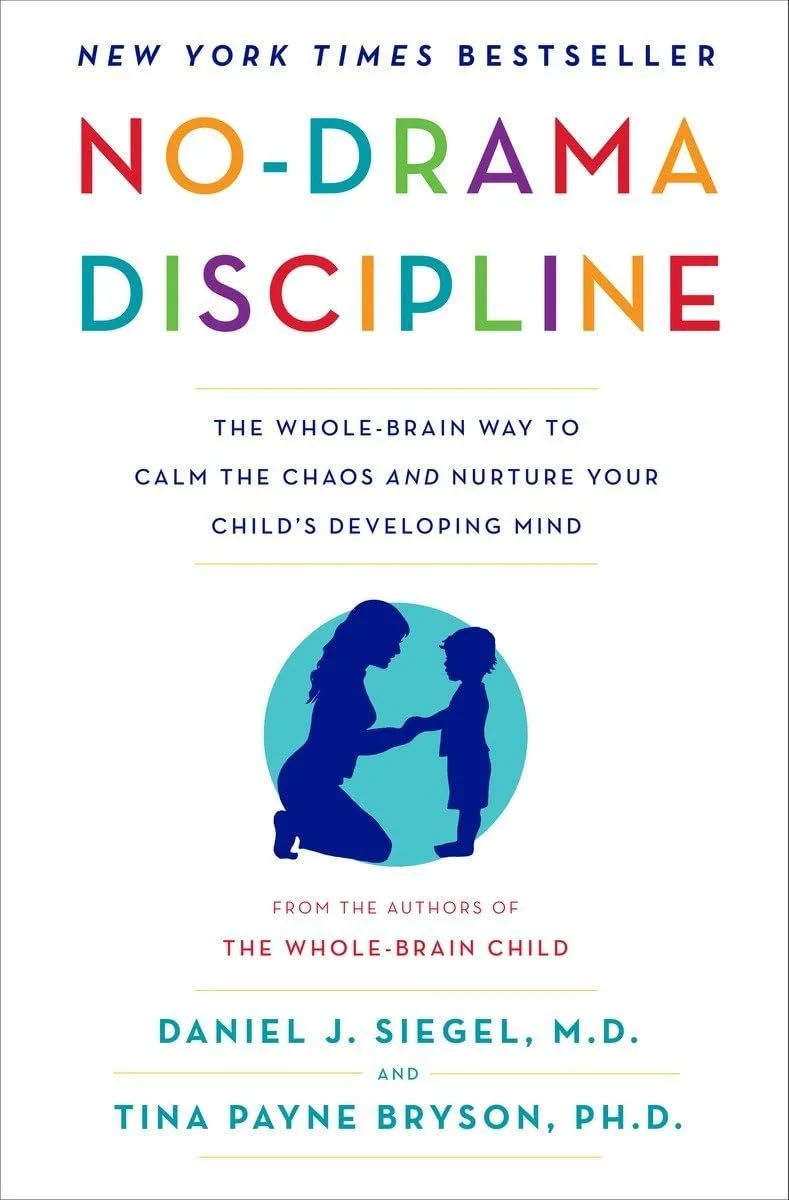
No-Drama Discipline: The Whole-Brain Way to Calm the Chaos and Nurture Your Child’s Developing Mind by Daniel J. Siegel and Tina Payne Bryson
Highlighting the fascinating link between a child’s neurological development and the way a parent reacts to misbehavior, No-Drama Discipline provides an effective, compassionate road map for dealing with tantrums, tensions, and tears—without causing a scene.
Defining the true meaning of the “d” word (to instruct, not to shout or reprimand), the authors explain how to reach your child, redirect emotions, and turn a meltdown into an opportunity for growth. By doing so, the cycle of negative behavior (and punishment) is essentially brought to a halt, as problem solving becomes a win/win situation. Inside this sanity-saving guide you’ll discover -
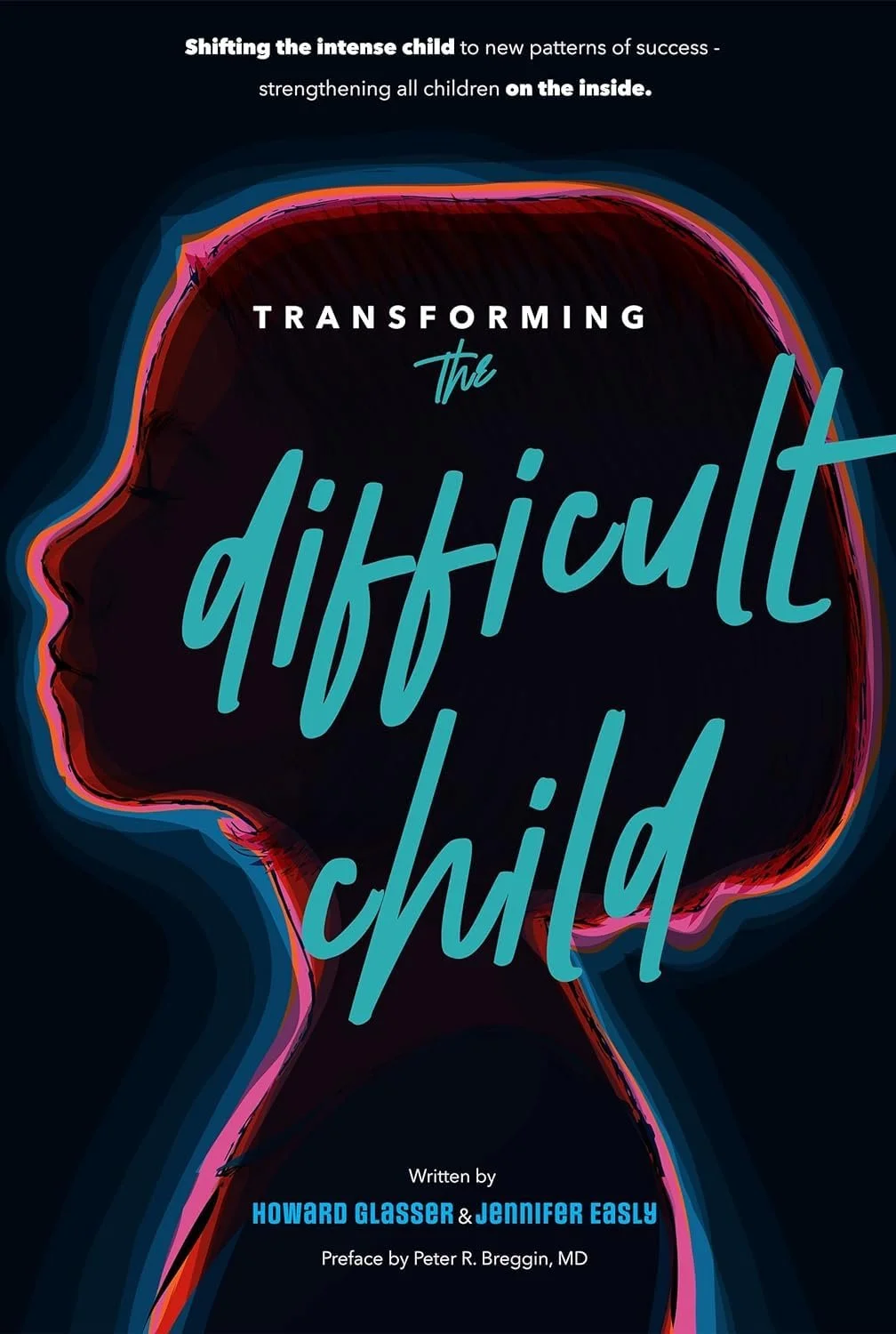
Transforming the Difficult Child: The Nurtured Heart Approach by Howard Glasser and Jennifer Easley
Transforming the Difficult Child brings to life a new way of shifting intense children to a solid life of success. The Nurtured Heart Approach puts a refreshing spin on both parenting and teaching and reveals new techniques and strategies that create thoroughly positive behaviors.
-
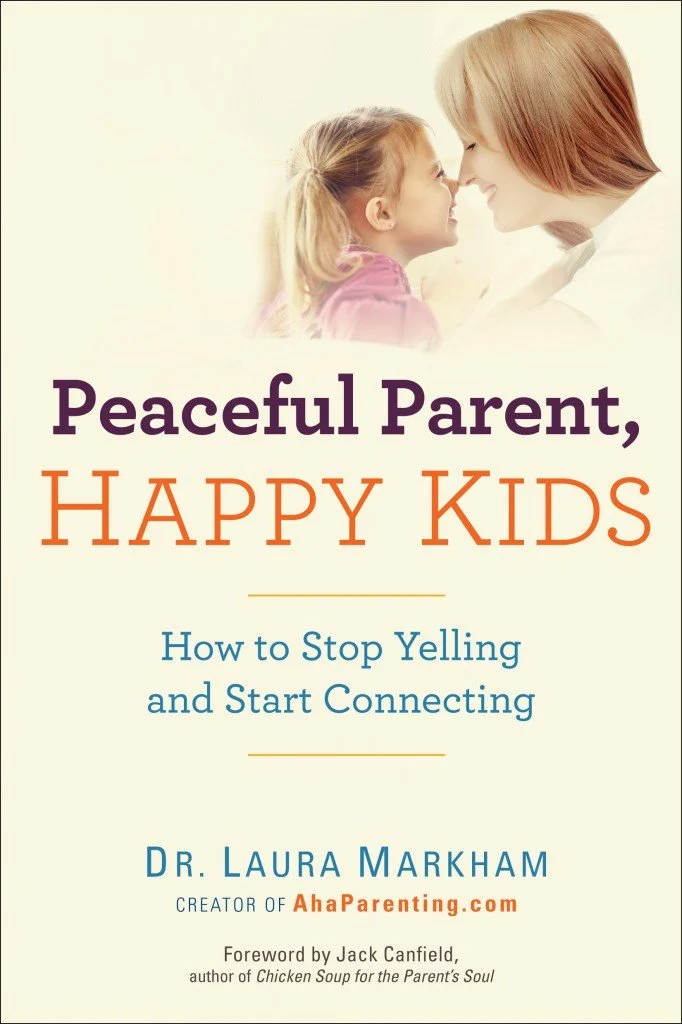
Peaceful Parent, Happy Kids by Dr. Laura Markham
Based on the latest research on brain development and extensive clinical experience with parents, Dr. Laura Markham’s approach is as simple as it is effective. Her message: Fostering emotional connection with your child creates real and lasting change. When you have that vital connection, you don’t need to threaten, nag, plead, bribe—or even punish.
This remarkable guide will help parents better understand their own emotions—and get them in check—so they can parent with healthy limits, empathy, and clear communication to raise a self-disciplined child. Step-by-step examples give solutions and kid-tested phrasing for parents of toddlers right through the elementary years.
If you’re tired of power struggles, tantrums, and searching for the right “consequence,” look no further. You’re about to discover the practical tools you need to transform your parenting in a positive, proven way. -
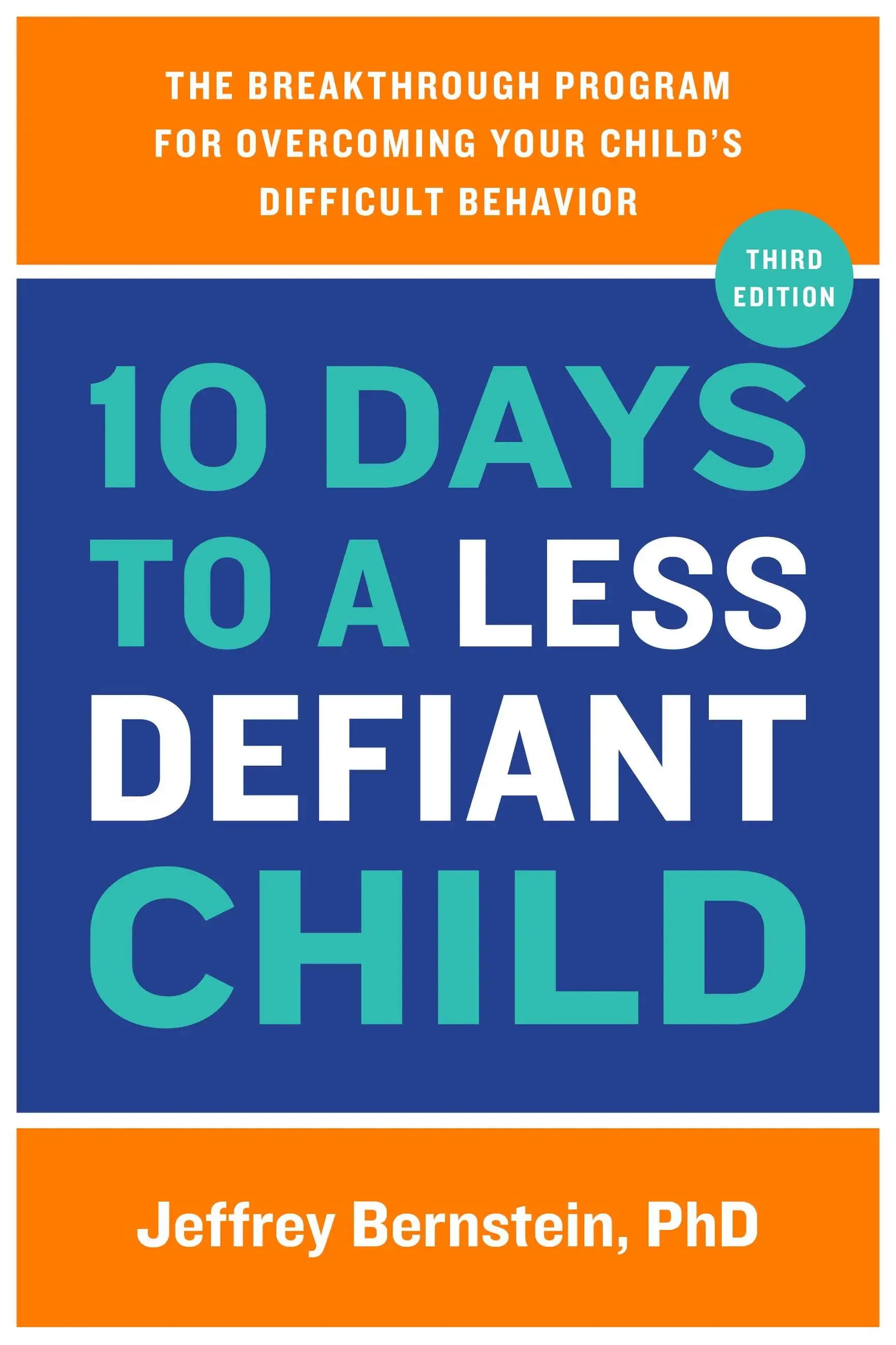
10 Days to a Less Defiant Child by Dr. Jeffrey Bernstein PhD
Occasional clashes between parents and kids are not uncommon, but when behavior like tantrums, resistance to requests, and negativity becomes chronic, it can cause big problems. In 10 Days to a Less Defiant Child, psychologist Dr. Jeffrey Bernstein shares his groundbreaking program to help parents reduce conflict and end upsetting behaviors.
Updated to address challenges that today's parents face, this go-to guide includes new information on the rise of defiant behavior due to negative Internet influences and social media pressures, and the effects of stress on family life. Dr. Bernstein explains what causes defiance in kids, teens, and even adult children, why it's so destructive to the family, and shows parents step-by-step how they can end the behavior--at home, at school, and everywhere in between. His proven ten-day strategies include:Leading with empathy to manage your own reactivity as well as your child's, and becoming your child's emotion coach to reduce feeling disrespected as a parent.
Dealing with defiant behavior in an era loaded with increased day-to-day anxieties due to climate change, societal and school violence.
Managing children's behavioral struggles within increasingly complex family structures and changing societal values.
Seventeen Cooperative Connection-Building Games for families to foster openness, trust, communication, and collaborative problem-solving.