

Helpful Tips and Ticks for Managing Anxiety
Tips and Ticks for Managing Anxiety
Anxiety is a normal part of your child's behavioral and emotional development. Toddlers often get uneasy when separated from their parents or introduced to strangers. Fears of the dark, the toilet, animals, and loud noises (such as fireworks or thunderstorms) are all common, even signs that your toddler's development is on track. Between the ages of 1 and 3, your child may go through several anxious periods as he responds to changes in his environment or routine. There are a couple of different types of anxiety that your child might experience:
Separation anxiety: Your child will worry you will leave and feels an intense fear when you leave the room or hand them over to another caregiver. They may cling to you or cry until you come back.
Stranger anxiety: Your child reacts to new faces by clinging or crying. They may continue to be scared or fuss until the stranger leaves. Stranger anxiety is the strongest in the first year but can return throughout their toddler years.
Phobias: Your child will be terrified of certain things, like animals, riding in a car, or even daycare and school.
Shyness: Your child becomes alarmed or withdraws around new people or situations.
Most of these anxieties are normal for this age group. However, you should talk to your pediatrician if these anxieties begin to:
Interfere with family or daily activities
Prevent them from making friends
Becomes an excuse to stay home
Disrupt their sleeping habits
Results in compulsive behavior
We also have two wonderful therapists at our clinic - Teancum Faumui (LCSW) and Tanja Grover (LCSW). Please contact our office for scheduling at 435-753-7337. There is also a list of therapists who see pediatric patients in Cache Valley at pdf.

How you can help:
· Acknowledge their fear. Some of these fears are totally normal and you should try to validate their feelings. For example, if their anxiety is losing you, tell them that you understand losing you is scary and sometimes you feel the same way. Remind them that when you drop them off or if you leave a room, you always come back.
· Talk about it. Kids have very active imaginations and limited vocabulary so it can be hard for them to express exactly how they are feeling. Asking them questions or drawing pictures, may help you understand them better and can also help with having an open conversation and start a dialogue.
· Ease their fears. Your child may worry that there are monsters hiding under the bed. Reassure them, that you’ll keep the monsters and bad dreams away. Make their room as inviting and comfortable as possible. You can post a funny sign on the closet or bed saying, “No monsters allowed!” Establish a good bedtime routine so they have consistency and can go to sleep feeling calm.
· Prepare your kiddo for new situations. Talk to them beforehand about where you are going. You can mention that there will be new people and what will happen while they are there. You can have them bring their favorite stuffed animal, blanket, or toy that can comfort them.
· Incorporate Relaxing Activities into Your Daily Routine: If your child struggles with big worries, setting aside time each day to relax, unwind and connect with can make a big difference. The more relaxed and supported your child feels, the more likely they will be to open up to you about their fears and worries.
· Keep Calming Tools Handy: If your child has a tendency to get nervous and agitated when you’re away from the comforts of home, make sure to have some calming tools handy. Squeeze balls, soothing music, kaleidoscopes, and playdoh are all great ways to offer a child an outlet to get their worries out when they feel overwhelmed.
· Teach them some coping skills. Some great ways to ease anxiety for all ages are deep breathing, thinking of their favorite things, and more! The best way to help with anxiety, is tricking your mind and have you focus on something else besides your anxiety.
o Counting or Reciting: When your child starts to worry, remind your child to count or recite something. You can make this as easy (count from 1 to 20) or complex (recite the alphabet backwards) as you need, and you can do it out loud or silently in your mind. Give it a try – it really does help!
o Do a Sensory Check-In: When your child is feeling overwhelmed, ask them to sit in a quiet place and encourage them to use each of their 5 sense (sight, sound, smell, touch, and taste) to identify with their surroundings. What doe they see? What do they hear? What do they smell? It may seem a bit silly at first, and if your child feels that way, that’s totally okay! The point is to focus on the sensory input they’re receiving from the world around them instead of invasive, anxious thoughts they’re feeling.
o Ask Parent for Big Squeeze: Sometimes a big bear hug from mom or dad can make a huge difference in making big worries feel more bearable.
o Mindful Breathing: When a child is experiencing feelings of anxiety, their breathing pattern will change. They will start to take short, fast, and shallow breaths which makes anxiety much worse. Mindful breathing – taking in a slow breath through the nose, holding the breath for a few seconds, then exhaling slowly through the mouth – will help your child focus on something other than anxiety, and once breathing has slowed, they will feel calmer.
Websites
-

Safe UT
Free website and app to chat with a licensed counselor for free. Available 24/7. You are also able to submit a tip if you’re worried a friend is being hurt or might hurt someone else, SafeUT will help you tell a trusted adult.
Phone: 833-372-3388
-

-

-

Coping Skills For Kids
Kid tested strategies used by child therapists for calming anxiety, including ideas to calm down, books to read and videos that can help.
-

GoZen
Article on how to help a child with anxiety.
-

Learning to Understand and Navigate Anxiety (LUNA)
A free online family-led cognitive behavioral therapy for anxiety in children and teens.
-

Mental Health Apps
For mental health apps, see our link under “Mental Health Apps & Website”.
Books
-
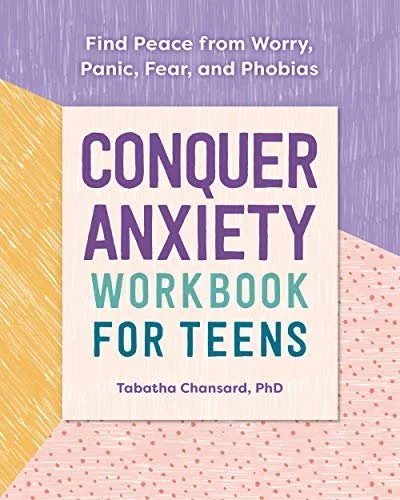
Conquer Anxiety Workbook for Teens: Find Peace from Worry, Fear, Panic and Phobias by Tabatha Chansard PhD
Anxiety is a difficult emotion to manage, and the added stressors of teenage life can make it feel impossible to overcome. But,you have the power to handle it―you just need the right tools. Get ready to conquer anxiety with this friendly and straightforward anxiety workbook for kids and teens. The exercises inside will teach you practical, effective techniques to tackle worrying in the moment so you can keep anxiety from taking over.
With this anxiety relief book, you'll find out how to identify the types of anxiety you're experiencing―general anxiety, social anxiety, panic attacks, or phobias. Then, using strategies from cognitive behavioral therapy and mindfulness, you'll learn how to manage your thoughts, emotions, and behaviors. With helpful examples of real scenarios teenagers face at school, home, or with friends, this book is your secret weapon against anxiety in any situation.
Also included in Primary Care Pediatrics’ Little Library (see front desk for more details).
-
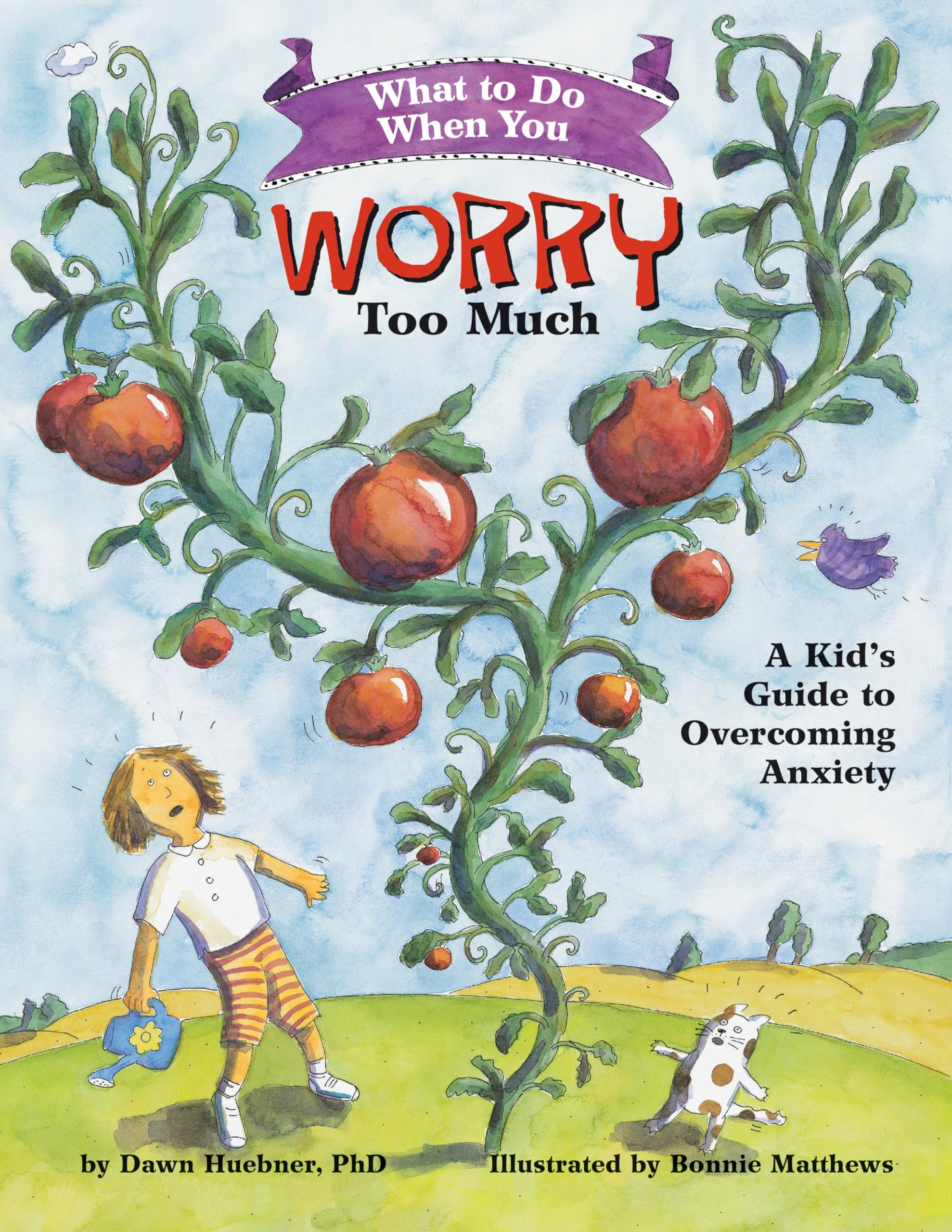
Worry Too Much- A Kids Guide to Overcoming Anxiety by Dawn Huebner and Bonnie Matthews
What to Do When You Worry Too Much is an interactive self-help book designed to guide 6-12 year olds and their parents through the cognitive-behavioral techniques most often used in the treatment of generalized anxiety. Metaphors and humorous illustrations make difficult concepts easy to understand, while prompts to draw and write help children to master new skills related to reducing anxiety. Engaging, encouraging, and easy to follow, this book educates, motivates, and empowers children to work towards change. Includes a note to parents by psychologist and author Dawn Huebner, Ph.D.
Also included in Primary Care Pediatric’s Little Library (see front desk for more details).
-
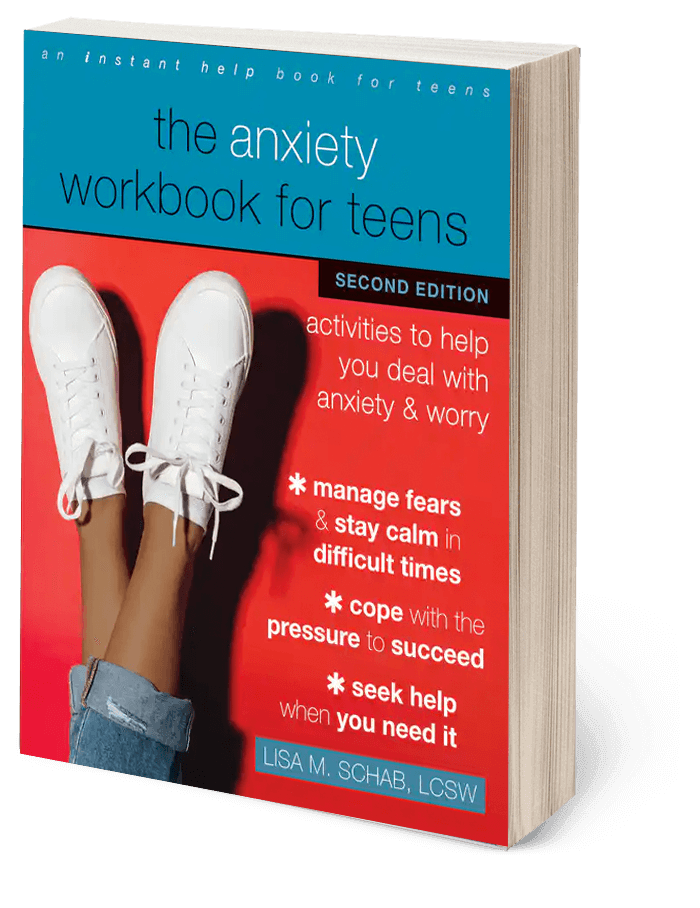
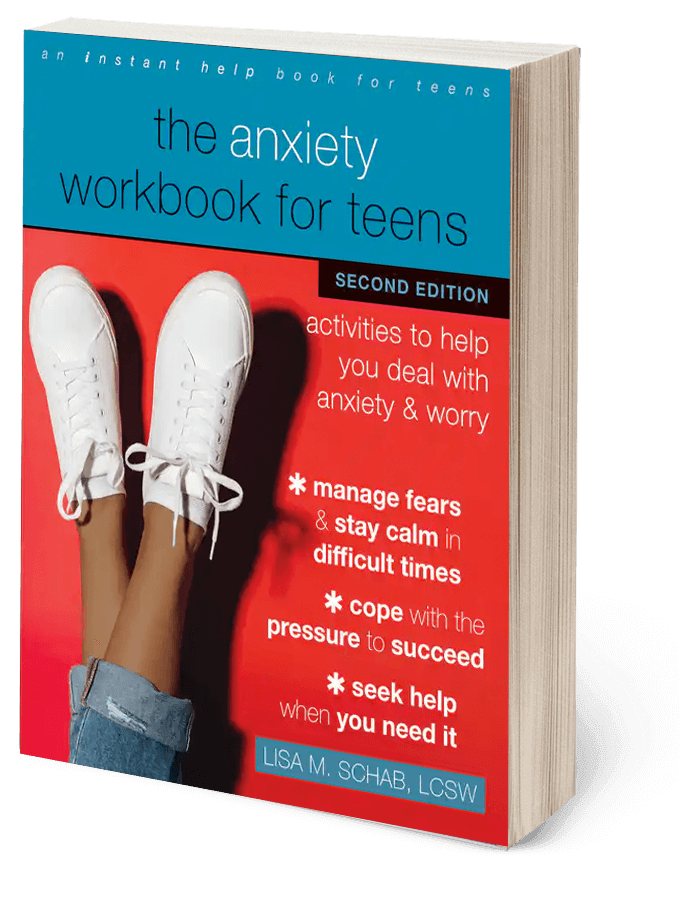
The Anxiety Workbook for Teens by Lisa M Schab, LCSW
In our increasingly uncertain world, there are plenty of reasons for anyone to feel anxious. And as a teen, you’re also dealing with academic stress, social and societal pressures, and massive changes taking place in your body, brain, and emotions. The good news is that there are a lot of effective techniques you can use—both on your own and with the help of a therapist or counselor—to reduce your feelings of anxiety and keep them from taking over your life.
Now fully revised and updated, this second edition of The Anxiety Workbook for Teens provides the most up-to-date strategies for calming fear, anxiety, and worry, so you can reach your goals and be your best. You’ll find new skills to help you handle school pressures and social media overload, develop a positive self-image, recognize your anxious thoughts, and stay calm in times of extreme uncertainty. The workbook also includes resources for seeking additional help and support if you need it.
-
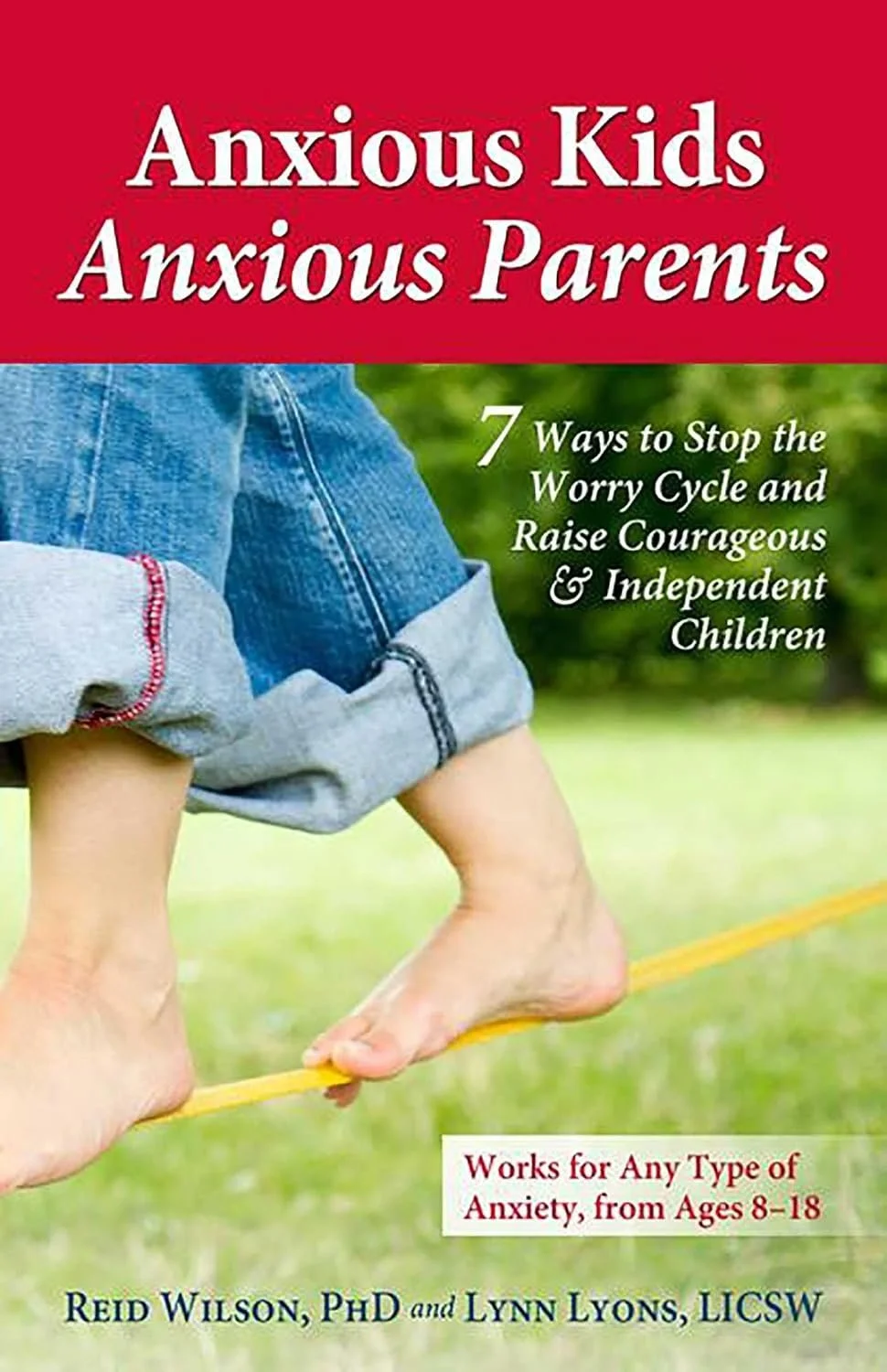
Anxious Kids Anxious Parents by Reid Wilson and Lynn Lyons
With anxiety at epidemic levels among our children, Anxious Kids, Anxious Parents offers a contrarian yet effective approach to help children and teens push through their fears, worries, and phobias to ultimately become more resilient, independent, and happy.
How do you manage a child who gets stomachaches every school morning, who refuses after-school activities, or who is trapped in the bathroom with compulsive washing? Children like these put a palpable strain on frustrated, helpless parents and teachers. And there is no escaping the problem: One in every five kids suffers from a diagnosable anxiety disorder.
Unfortunately, when parents or professionals offer help in traditional ways, they unknowingly reinforce a child's worry and avoidance. From their success with hundreds of organizations, schools, and families, Reid Wilson, PhD, and Lynn Lyons, LICSW, share their unconventional approach of stepping into uncertainty in a way that is currently unfamiliar but infinitely successful. Using current research and contemporary examples, the book exposes the most common anxiety-enhancing patterns—including reassurance, accommodation, avoidance, and poor problem solving—and offers a concrete plan with 7 key principles that foster change. And, since new research reveals how anxious parents typically make for anxious children, the book offers exercises and techniques to change both the children's and the parental patterns of thinking and behaving.
This book challenges our basic instincts about how to help fearful kids and will serve as the antidote for an anxious nation of kids and their parents. -
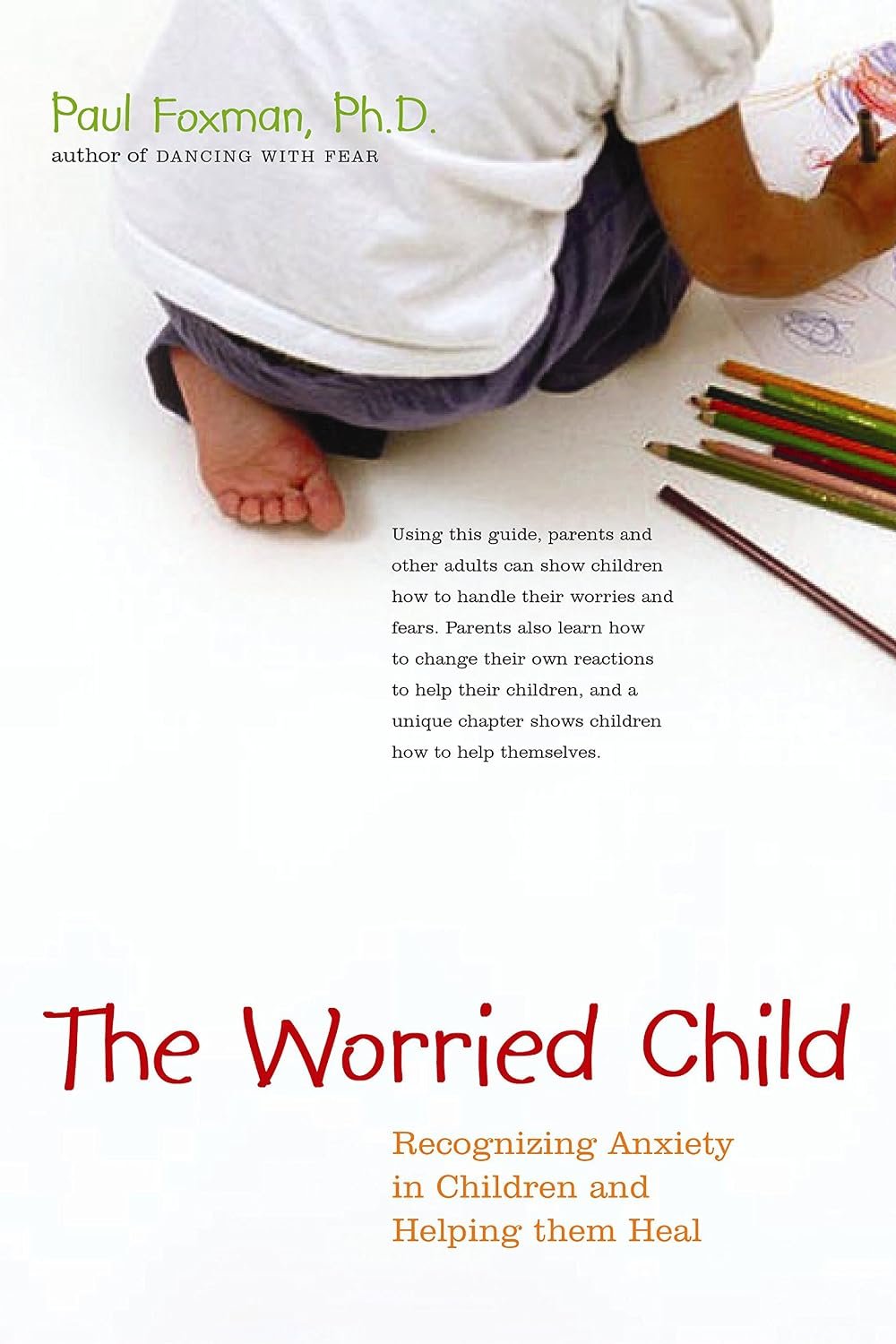
The Worried Child by Paul Foxman
Anxiety in children diminishes their intellectual, emotional and social development, as well as physical health. Author Paul Foxman believes there are three interacting ingredients that contribute to anxiety in children -- biological sensitivity, personality, and stress overload.
The Worried Child shows that anxiety is preventable or can at least be minimized by raising children's self confidence, increasing social and self-control skills, and teaching them how to play, relax, and communicate their feelings and needs. Written for parents and teachers and anyone dealing with children, the guide covers the importance of adequate rest, sleep, and exercise and provides detailed lists, skill exercises, sample dialogues, and case studies. It also presents extensive information on the various types and symptoms of anxiety disorders. Advice for educators, health care professionals, childcare workers and psychotherapists is included along with a chapter and tutorial written specifically for children.
The Worried Child is a highly accessible self-help guide for anyone dealing with a child who is or may become anxious. -
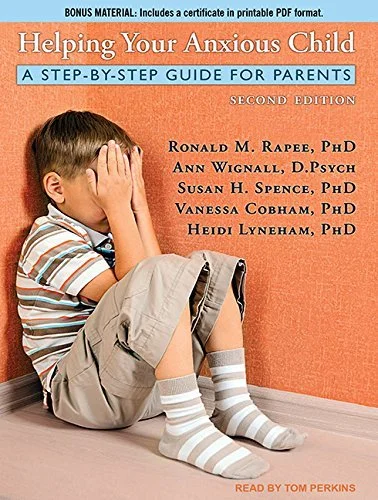
Helping Your Anxious Child by Ronald Rapee, Ann Wignall, Susan Spence, Vanessa Cobham and Heidi Lyneham
Most children are afraid of the dark. Some fear monsters under the bed. But at least ten percent of children have excessive fears and worries―phobias, separation anxiety, panic attacks, social anxiety, or obsessive-compulsive disorder―that can hold them back and keep them from fully enjoying childhood. If your child suffers from any of these forms of anxiety, the program in this book offers practical, scientifically proven tools that can help.
Now in its second edition,Helping Your Anxious Childhas been expanded and updated to include the latest research and techniques for managing child anxiety. The book offers proven effective skills based in cognitive behavioral therapy (CBT) to aid you in helping your child overcome intense fears and worries. You'll also find out how to relieve your child's anxious feelings while parenting with compassion.
Workbooks for Kids
-
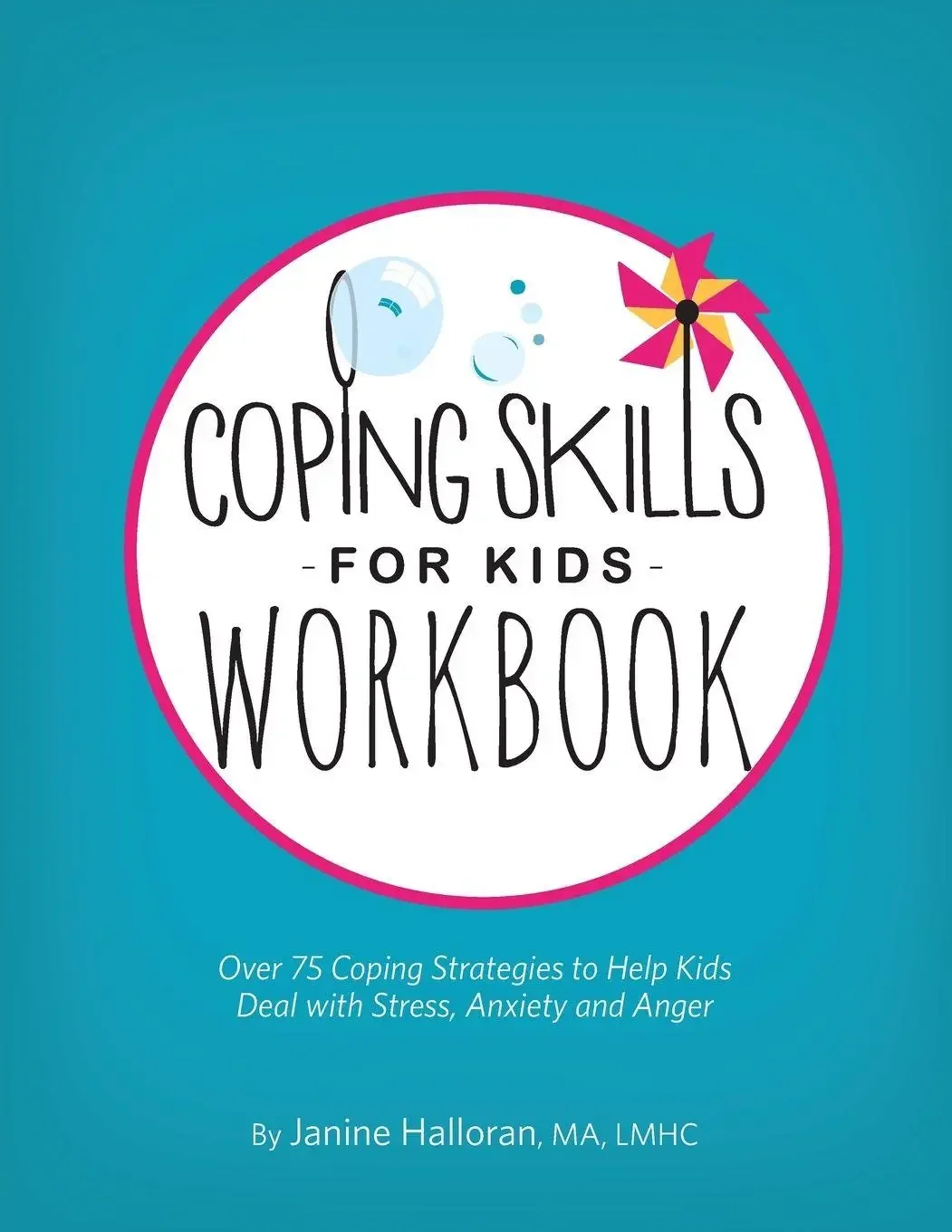
Coping Skills for Kids Workbook by Janine Halloran, MA, LMHC
-
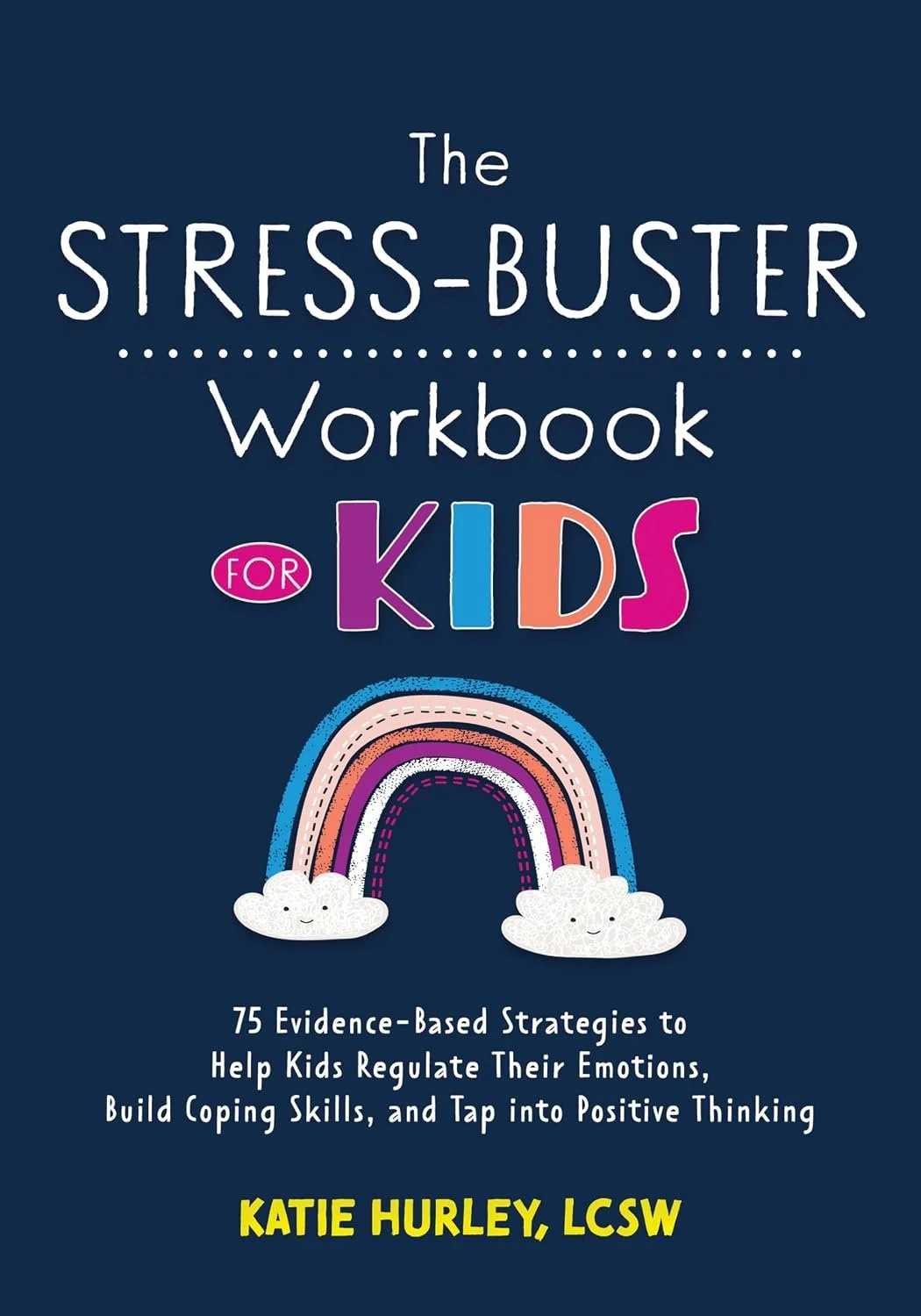
The Stress-Buster Workbook for Kids by Katie Hurley, LCSW
-
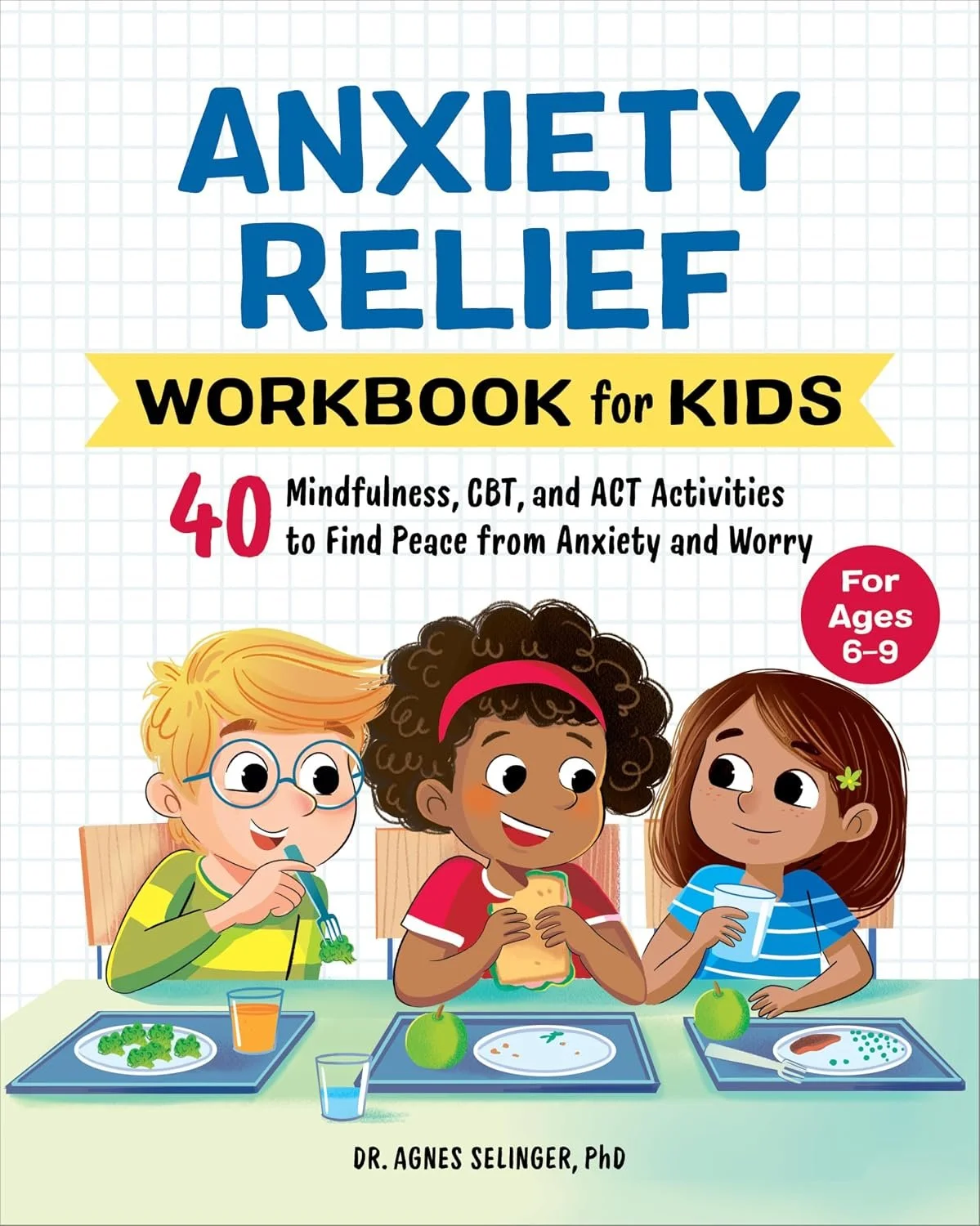
Anxiety Relief Workbook for Kids by Dr. Agnes Selinger, PhD
-
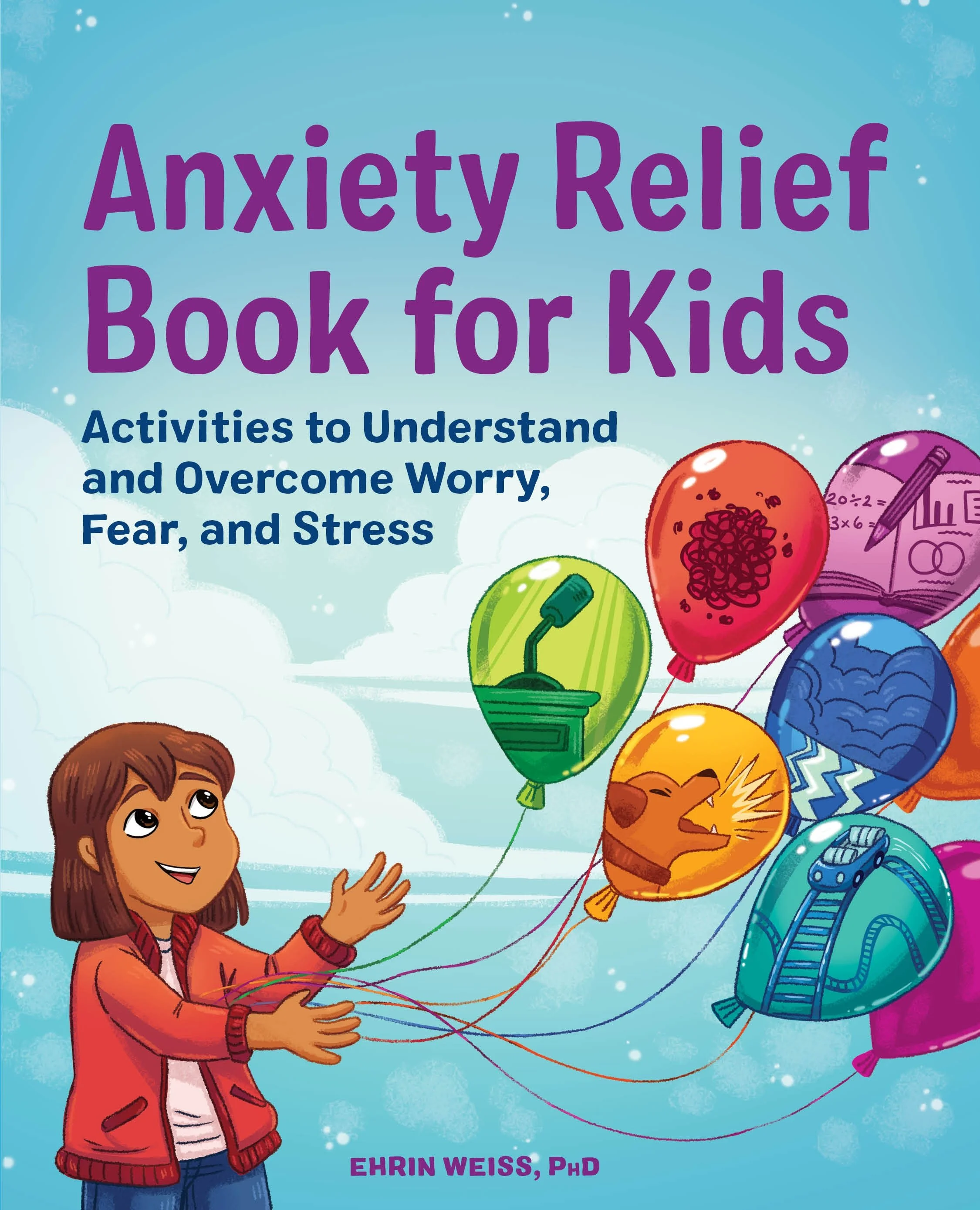
Anxiety Relief Book for Kids by Ehrin Weiss, PhD
-
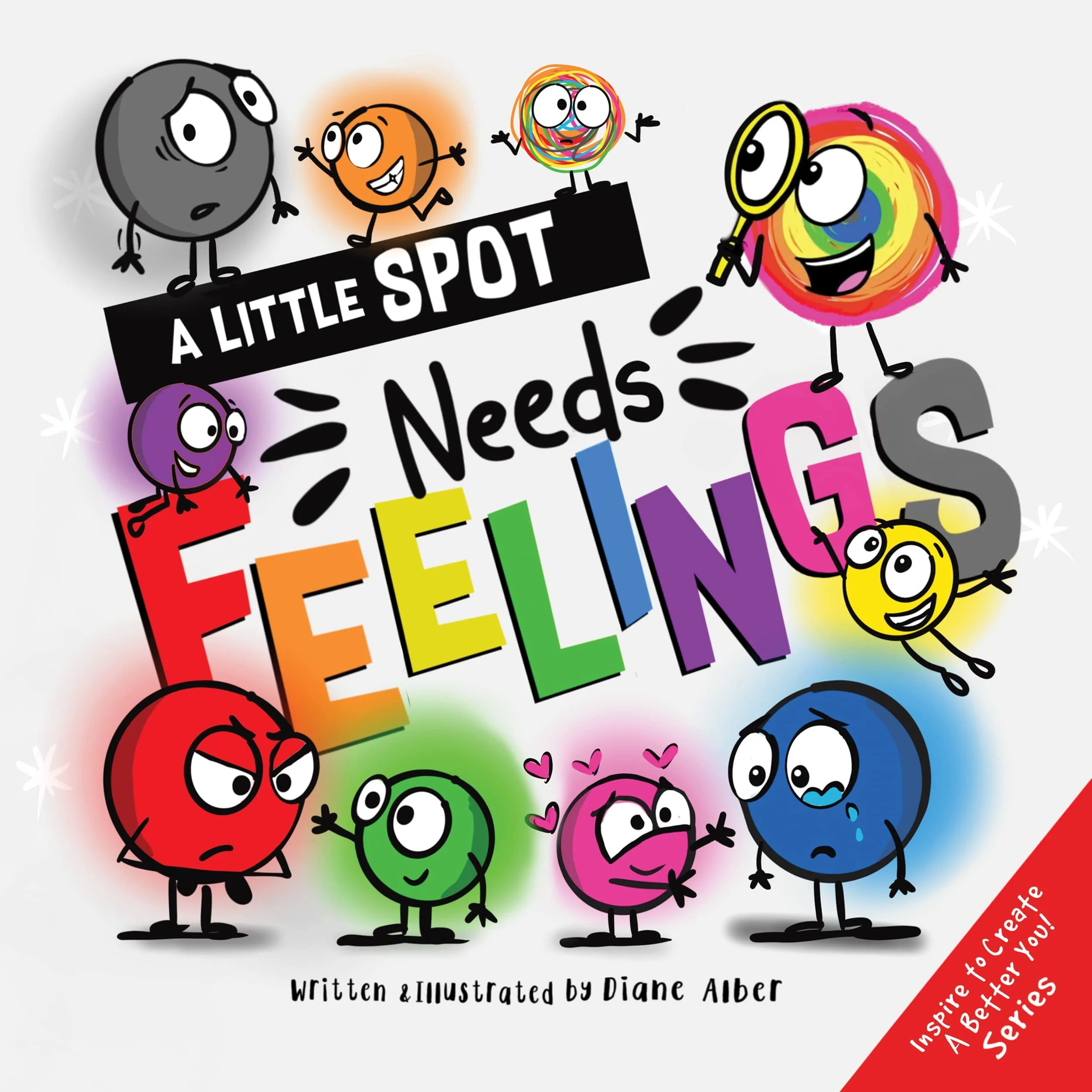
A little Spot of …. Book Series by Diane Alber
Workbooks for Teens
-
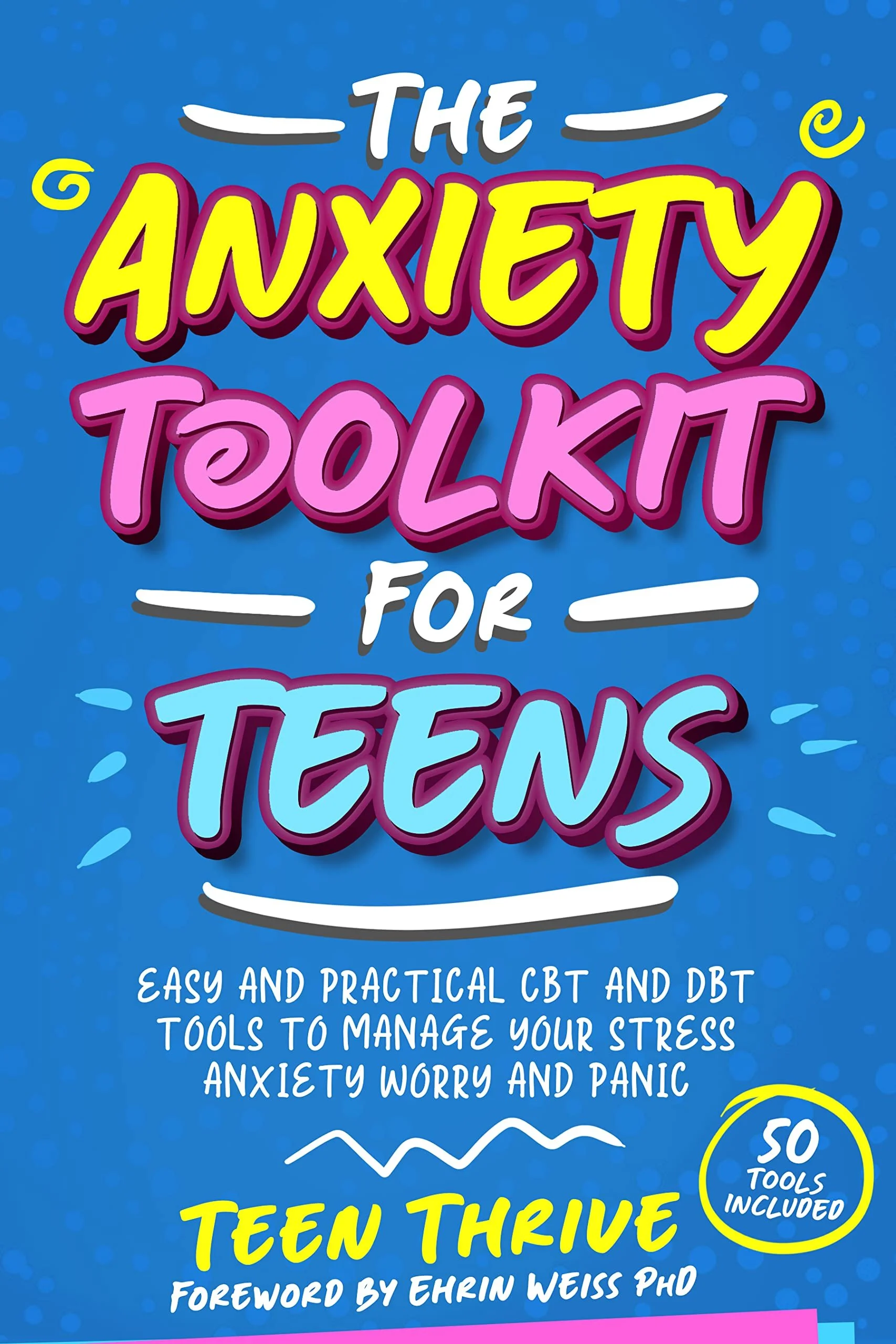
The Anxiety Toolkit for Teens by Teen Thrive
-
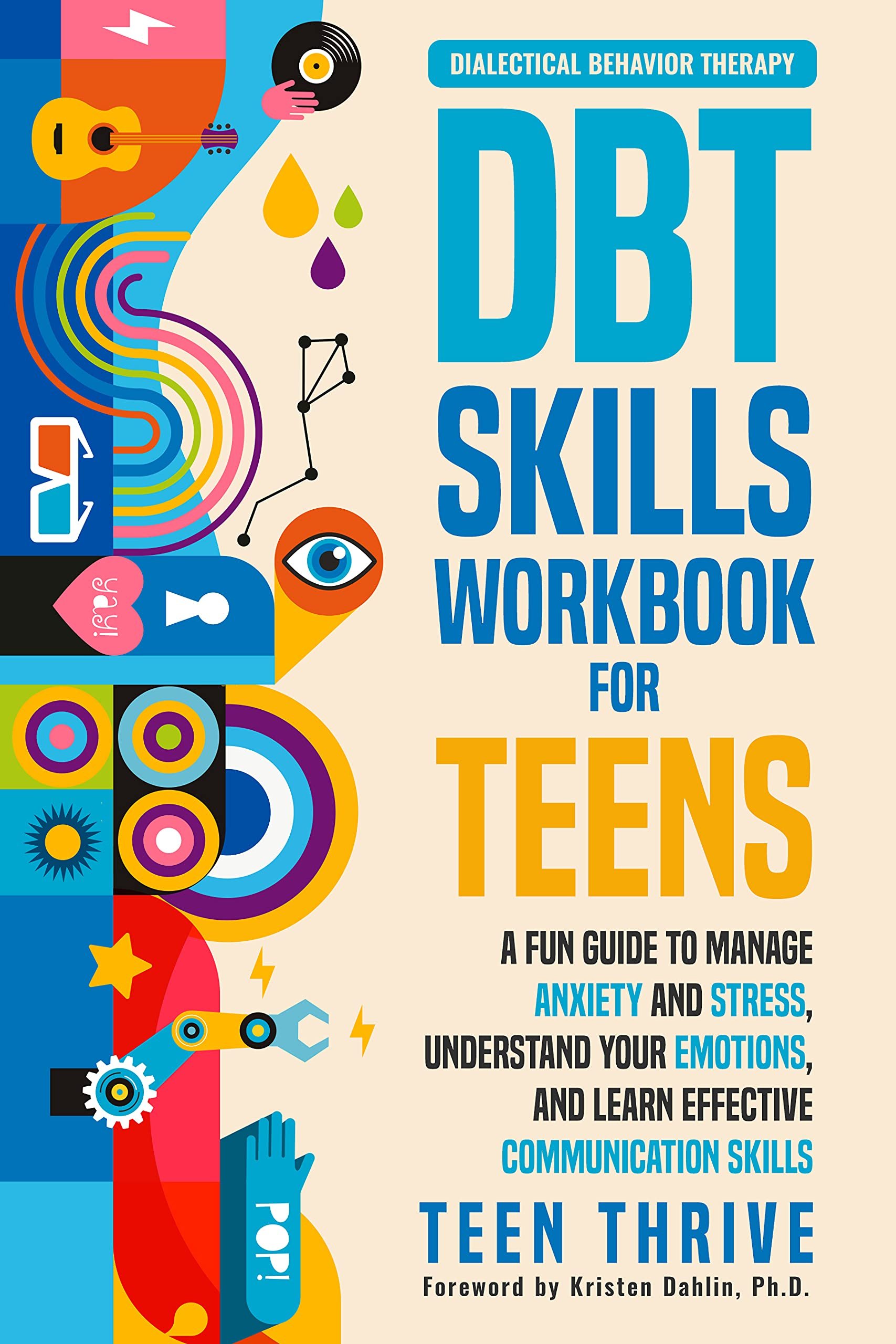
The DBT Skills Workbook for Teens by Teen Thrive
-
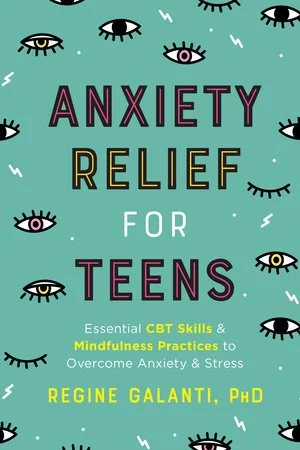
Anxiety Relief for Teens by Regine Galanti, PhD
-
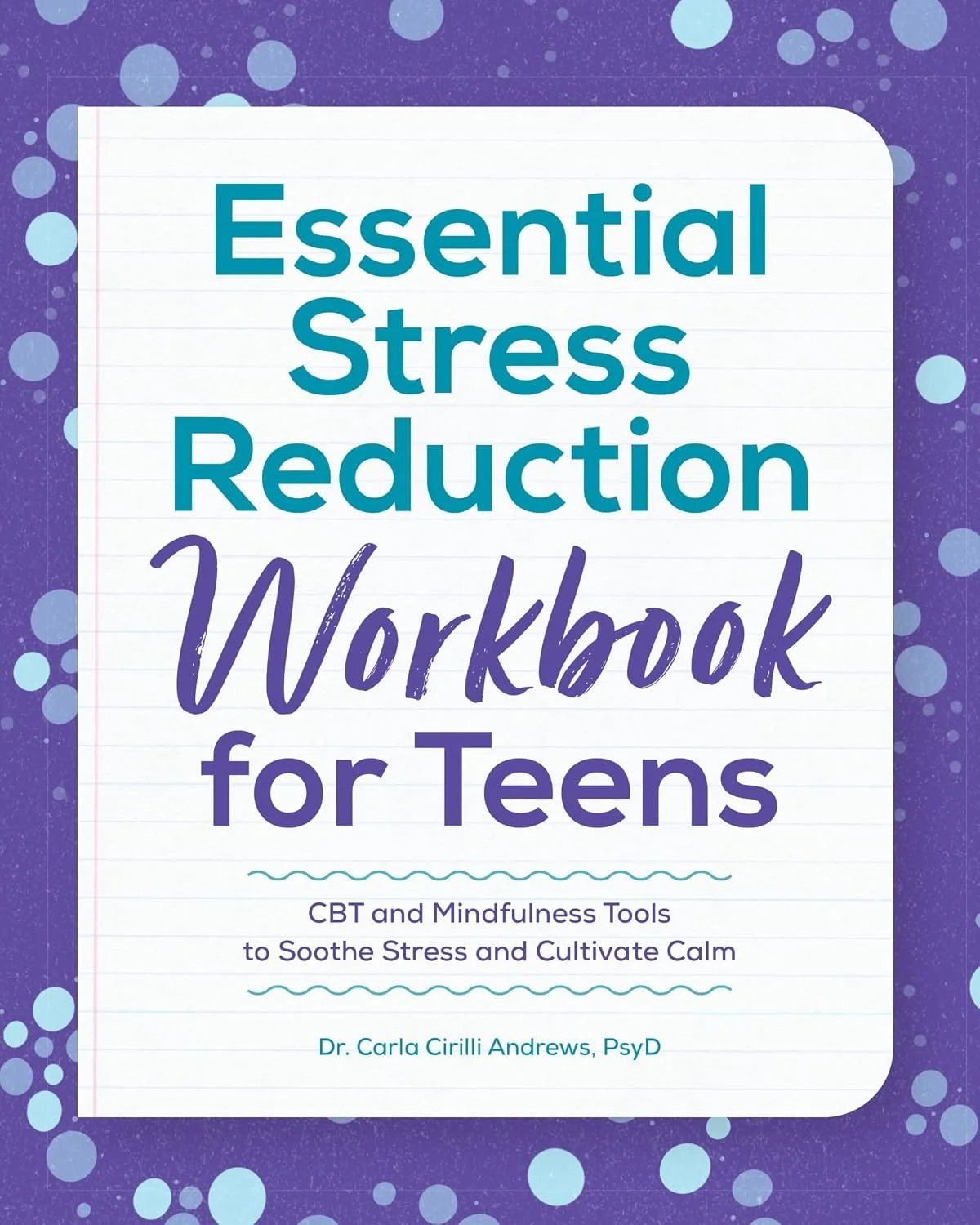
Essential Stress Reduction Workbook for Teens by Dr. Carla Cirilli Andrews, PsyD
.
-
The Anxiety Workbook for Teens by Lisa M. Schab, LCSW